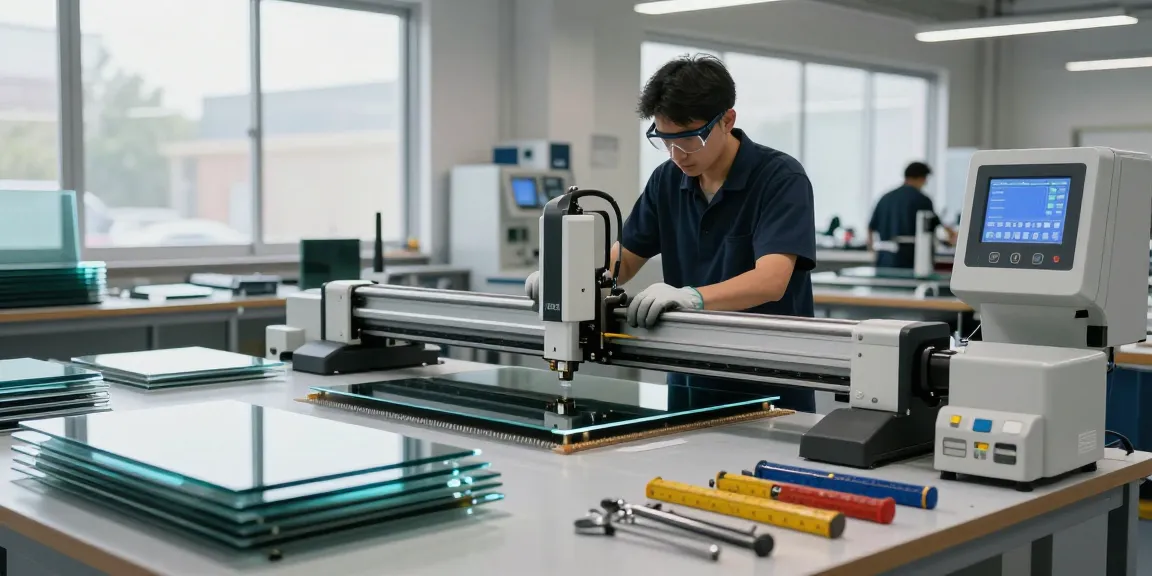
Understanding Bóc Lớp Ép Plastic Hà Nội
Bóc lớp ép plastic hà nội, or plastic laminating in Hanoi, is an essential process that involves applying a protective plastic layer over various materials to enhance durability and aesthetics. This process is utilized across numerous industries, from printing to packaging, providing significant benefits such as increased resistance to moisture, abrasion, and general wear and tear. Understanding the nuances of this practice can greatly affect the quality of the final product and its performance in the market. Bóc lớp ép plastic hà nội not only safeguards items but also elevates their presentation, making it a go-to choice for many businesses.
What is Bóc Lớp Ép Plastic?
Bóc lớp ép plastic refers to the technique of laminating materials with a plastic layer to provide an extra level of protection and finish. The process involves applying a thin film of plastic over various substrates such as paper, card, or fabric, creating a waterproof and durable barrier. The plastic used can vary in thickness and type, dependent on the specific requirements of the project, including gloss, matte, or textured finishes. This versatility makes it popular for items such as menus, business cards, and signs, where longevity and appearance are paramount.
Importance of Quality in Plastic Laminating
Quality in the plastic laminating process is not merely a luxury; it is a necessity. High-quality films not only protect the underlying materials better but also enhance the visual appeal of the finished product. Using inferior laminating films can result in bubbles, peeling, or even discoloration over time, negating the benefits of the lamination altogether. Moreover, reputable suppliers often provide films that undergo rigorous testing for durability and environmental resistance. Ensuring that businesses use quality materials can lead to longer-lasting products and greater customer satisfaction.
Common Applications of Bóc Lớp Ép Plastic in Hanoi
The applications of bóc lớp ép plastic in Hanoi are as diverse as the city itself. Commonly, it is used in:
- Printing: Educational materials, brochures, and flyers benefit greatly from lamination, which preserves their quality over time.
- Packaging: Food and retail packaging often employ laminated materials to ensure freshness and enhance branding.
- Office Supplies: Items like name badges, ID cards, and presentation covers often rely on a laminated finish to ensure durability.
- Crafts and DIY Projects: Crafters use lamination for added durability in handmade items like photo albums or personalized gifts.
Techniques and Best Practices
Step-by-Step Guide to Effective Peeling
To master the art of bóc lớp ép plastic, a systematic approach is essential. Here’s a step-by-step guide:
- Preparation: Ensure your workspace is clean and your materials are ready. Measure and cut the plastic film to size to avoid waste.
- Heat Settings: Depending on the type of laminator, adjust the heat settings. For low-temperature laminators, ensure that the settings are appropriate to avoid damaging the materials.
- Alignment: Carefully align the plastic film with the substrate to ensure even coverage.
- Laminating: Feed the materials through the laminator, monitoring for any jams or misalignments.
- Cooling: Allow the laminate to cool completely before cutting it to the desired shape, ensuring that the plastic adheres properly.
Tools and Equipment You Need
Having the right tools and equipment can significantly impact the success of the lamination process. Essential items include:
- Laminator: Choose between pouch or roll laminators based on your volume needs.
- Cutting Tools: Scissors or paper cutters for precise cutting of laminated materials.
- Measuring Tools: Rulers and tape measures to ensure accurate dimensions.
- Cleaning Supplies: Keep your workspace and tools clean to avoid contamination and ensure quality.
Safety Measures to Consider
Safety should always be a priority in any laminating process. Key measures include:
- Personal Protective Equipment: Use gloves and eyewear as necessary, especially when handling heated elements.
- Ventilation: Ensure your workspace is well-ventilated, especially if using adhesives or materials that may emit fumes.
- Caution with Equipment: Always follow the manufacturer’s instructions for equipment use and maintenance.
Challenges in Bóc Lớp Ép Plastic
Common Pitfalls to Avoid
Even experienced professionals can encounter pitfalls in the lamination process. Some common mistakes include:
- Incorrect Temperature Settings: Not adjusting the temperature can lead to poor adhesion or damage to the materials.
- Poor Alignment: Misalignment can cause bubbles or uneven edges that affect the aesthetic quality of the final product.
- Neglecting Material Compatibility: Not all films adhere well to every substrate, leading to potential failures.
How to Troubleshoot Common Issues
When issues arise, knowing how to troubleshoot can save time and resources. Some strategies include:
- Bubbles: If bubbles occur, they can often be smoothed out with a plastic scraper or by re-heating gently.
- Peeled Edges: If edges are peeling, check the humidity levels and consider re-laminating with a higher-quality film.
- Discoloration: For any discoloration, ensure that the films used are UV resistant if required for outdoor use.
Understanding Material Limitations
Each material has its limitations when it comes to lamination. Factors such as heat resistance, moisture exposure, and pliability can affect performance. Understanding these limitations allows for better preparation and selection of the appropriate laminating materials.
Innovations and Trends for 2026
Emerging Technologies in Plastic Peeling
The field of plastic lamination is continuously evolving. Emerging technologies include:
- Biodegradable Films: With environmental concerns at the forefront, biodegradable laminating films are gaining traction.
- Digital Laminators: Cutting-edge digital laminators are streamlining the process, making it more efficient and user-friendly.
- Smart Laminating Machines: Equipment that utilizes AI and IoT for precise control and monitoring during the lamination process.
Future Trends in the Plastic Industry
As we look toward 2026, several trends are shaping the plastic industry:
- Sustainability: An increased focus on eco-friendly materials and processes to minimize waste and environmental impact.
- Customization: The demand for personalized products is driving innovation in the laminating process, allowing for unique designs and finishes.
- Automation: More businesses are adopting automation to enhance efficiency and reduce human error in production lines.
Eco-Friendly Practices in Bóc Lớp Ép Plastic
In response to ecological concerns, many businesses are adopting eco-friendly practices in their laminating processes. This includes:
- Using Recycled Materials: Sourcing laminating films made from recycled plastics.
- Reducing Waste: Implementing strategies to minimize scrap during the laminating process.
- Utilizing Water-Based Adhesives: Reducing reliance on solvent-based adhesives to create less harmful byproducts.
Conclusion and Future Considerations
Summarizing Key Techniques and Benefits
In summary, mastering the techniques of bóc lớp ép plastic is crucial for those looking to enhance their products’ durability and appearance. The benefits of this process are manifold, ranging from increased lifespan to improved aesthetic appeal.
Advice for Professionals in the Field
For professionals involved in lamination, staying informed about industry trends and technologies is vital. Continuous education, hands-on practice, and networking with peers can provide valuable insights into optimizing laminating processes and enhancing product quality.
FAQs About Bóc Lớp Ép Plastic Hà Nội
What are the best adhesives for plastic lamination?
The best adhesives vary by application but generally include water-based or solvent-based adhesives that are specifically designed for plastic materials.
How do I maintain the quality of peeled plastic?
Maintaining quality involves storing laminated items in a controlled environment, avoiding exposure to excessive heat and moisture, and handling them with care.
What training is available for technicians?
Many training programs and workshops are available for technicians, focusing on lamination techniques, equipment operation, and safety protocols.
How can I minimize waste in the process?
To minimize waste, consider implementing precise cutting techniques, reusing scraps in smaller projects, and optimizing the layout for material use.
Are there certifications for this field?
Yes, various organizations offer certifications for professionals in the laminating and printing industries, enhancing credibility and skills.