
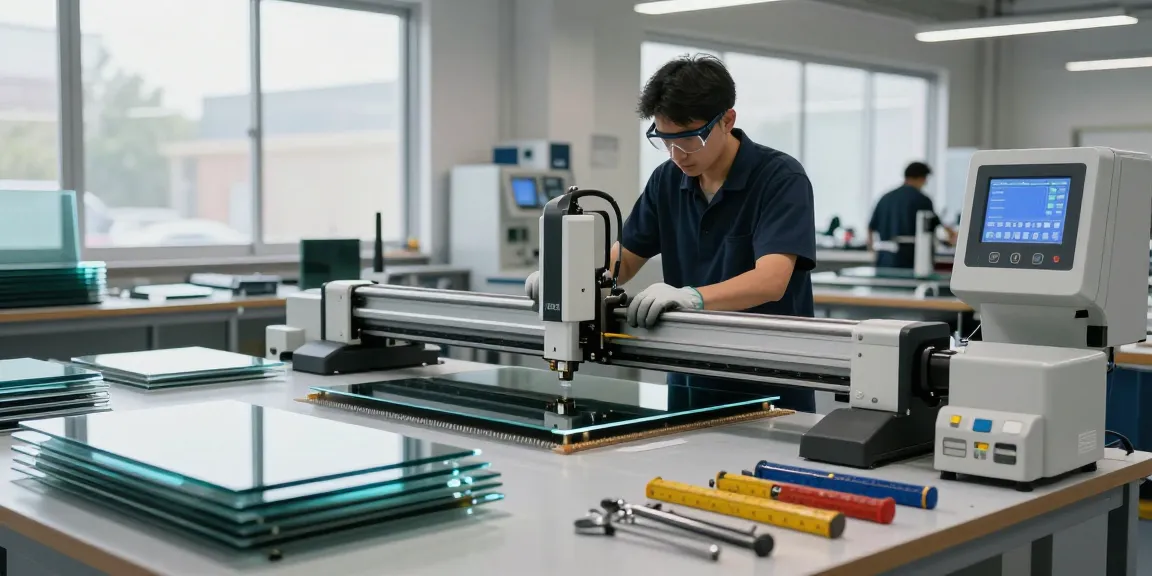
Understanding Glass Cutting Tables
In the glass processing industry, having the right tools can significantly impact productivity and quality. A glass cutting table serves as an essential piece of equipment that allows glass manufacturers to cut, shape, and prepare glass for various applications. These tables provide a stable surface, ensuring accuracy and precision while reducing waste and enhancing efficiency. When exploring options, glass cutting table solutions can help streamline operations and improve output quality.
What is a Glass Cutting Table?
A glass cutting table is a specialized workstation designed for cutting and processing glass sheets. Typically equipped with features that support both manual and automated cutting processes, these tables are critical for achieving intricate designs and maintaining high standards of craftsmanship. The structure usually includes a flat surface, often carpeted or covered with materials that grip the glass securely while facilitating smooth scoring and breaking.
Key Features to Look For
- Surface Material: Look for a durable and non-slip surface to prevent glass from sliding during cutting.
- Size and Dimensions: Choose a table that accommodates the standard sizes of glass sheets used in your operations.
- Scoring Mechanism: Some tables come with integrated scoring tools that enhance precision.
- Adjustability: Tables with adjustable height or tilt features can improve ergonomics for operators.
- Vacuum Systems: Some models feature vacuum capabilities to hold glass securely during processing.
Types of Glass Cutting Tables
There are various types of glass cutting tables available, catering to different needs and preferences:
- Manual Cutting Tables: These tables require manual operation and are often favored for their simplicity and cost-effectiveness.
- Automatic Glass Cutting Tables: Equipped with advanced technology, these tables automate the cutting process, increasing speed and consistency.
- Portable Glass Cutting Tables: For on-site projects, portable options provide flexibility without sacrificing functionality.
- Integrated Systems: Some setups combine cutting, washing, and processing, streamlining operations further.
Benefits of Using a Professional Cutting Table
Investing in a professional glass cutting table offers numerous advantages that can affect overall performance and product quality.
Enhancing Precision in Glass Cutting
Precision is paramount in glass processing. A well-designed cutting table with the right features minimizes errors, leading to clean cuts and reduced material waste. This precision directly correlates with higher quality end products, essential for industries such as construction, automotive, and consumer goods.
Improving Efficiency and Workflow
With automated features, a glass cutting table can significantly streamline operations. These tables often reduce the time spent on manual tasks, enabling workers to focus on more complex or value-added activities. This efficiency can lead to improved overall productivity and faster turnaround times for orders.
Safety Features in Modern Glass Cutting Tables
Safety is a critical consideration in the glass cutting processing environment. Modern glass cutting tables incorporate various safety features such as:
- Emergency Stop Buttons: Allow operators to halt operations immediately in case of an emergency.
- Protective Shields: These help prevent accidents during the cutting process.
- Stable Design: A solidly built frame ensures the table remains stable even during heavy-duty use.
Best Practices for Maintaining Your Glass Cutting Table
Regular maintenance is vital for longevity and performance. Here are some best practices to consider.
Regular Cleaning and Maintenance Tasks
Keeping the cutting table clean is essential for both safety and performance. Regularly remove glass shavings, dust, and other debris. Establish a cleaning schedule that includes:
- Wiping down the surface to prevent scratches.
- Inspecting and replacing worn scoring tools.
- Ensuring that vacuum systems are functioning correctly.
Common Issues and Troubleshooting
Being proactive about potential issues can save time and money. Common problems include:
- Inconsistent Scoring: This could be due to dull blades or improper calibration.
- Surface Damage: Check for scratches or dents that can affect cutting quality.
- Equipment Malfunctions: Regularly inspect electrical components and pneumatic systems to ensure they are in good working order.
Upgrading Components for Improved Performance
Consider upgrading components such as scoring heads, motors, or blades to enhance efficiency and accuracy. Innovations in technology often lead to significant performance improvements, which can make your operations more competitive.
Innovative Features of 2026 Glass Cutting Tables
As technology progresses, so do the features found in glass cutting tables. Here are some innovative additions for 2026.
Automation and Smart Technology Integration
Modern glass cutting tables increasingly incorporate automation and smart technology. Features such as robotic arms for precise cutting and integrated software for design optimization are becoming standard. These technologies not only increase accuracy but also streamline the entire production process.
Eco-Friendly Materials and Designs
There is a growing emphasis on sustainability within the manufacturing sector. Newer models of glass cutting tables often utilize eco-friendly materials and designs that minimize waste and energy consumption. This approach aligns with global pushes toward sustainability in manufacturing.
Future Trends in Glass Cutting Technology
Upcoming trends indicate a shift toward further automation, with the development of AI-driven tools that can learn and adapt to cutting patterns. This will not only enhance precision but also reduce operational costs.
Comparing Top Glass Cutting Tables on the Market
With various options available, it’s essential to compare features, prices, and user feedback to make an informed decision.
Key Competitors and Their Offerings
Several prominent brands lead the market with their offerings, including:
- FHC: Known for high-quality manual and automatic tables.
- CMS Glass Machinery: Offers a range of cutting systems optimized for various applications.
- CRL: Provides innovative designs that cater to both the commercial and industrial sectors.
Price Ranges and What to Expect
Prices can vary widely based on features and capabilities, ranging from $1,500 for basic manual models to over $100,000 for advanced automated systems. It’s crucial to balance your budget with the features that will provide the most significant return on investment.
Customer Reviews and Expert Opinions
Looking at customer reviews can provide insights into real-world performance. Many users highlight the importance of reliability and ease of use as key factors in their satisfaction with a glass cutting table.
What Makes a Glass Cutting Table Stand Out?
To differentiate between models, consider:
- The quality of materials used in construction
- The warranty and service agreements offered
- The availability of replacement parts and customer support


