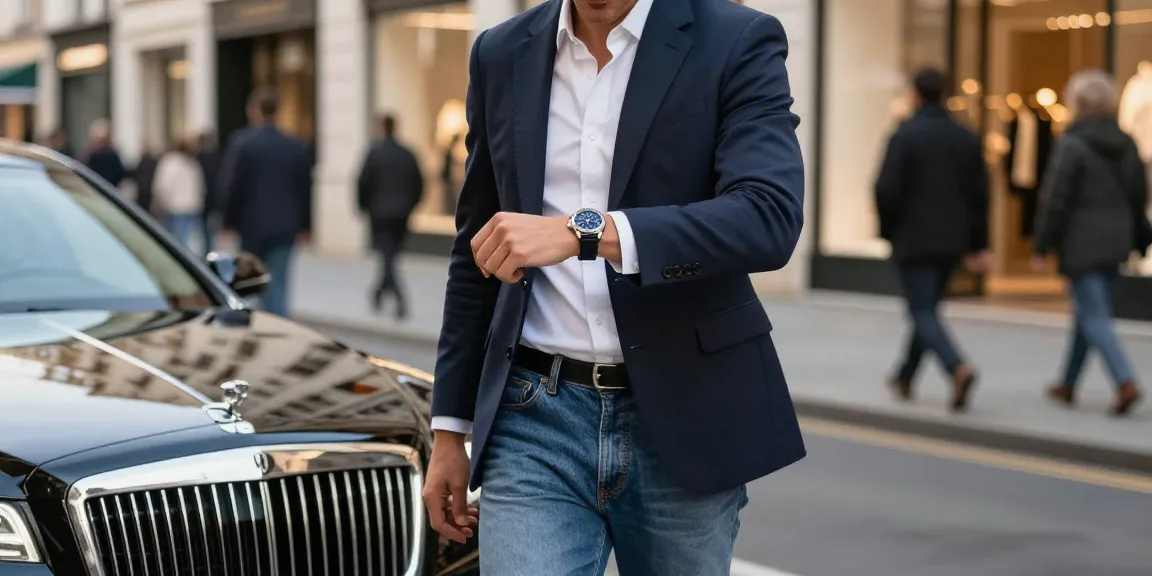
The Evolution of Replica Watches
The world of watches has undergone significant transformations throughout the decades, transitioning from traditional timepieces to intricate mechanical marvels and, ultimately, to highly sophisticated replicas. The evolution of replica watches reflects not only advancements in technology but also shifts in consumer interests and market dynamics. As we approach 2026, understanding this evolution becomes essential for both enthusiasts and collectors, especially when discerning between various quality levels in the replica market.
Historical Context of Replica Watches
Replica watches have been around for as long as luxury timepieces themselves. Initially, counterfeit watches served as mere imitations, often lacking in quality and craftsmanship. However, as the demand for luxury items increased, manufacturers began to recognize the potential for higher-quality replicas. The 20th century saw significant improvements in materials and manufacturing techniques, leading to a burgeoning market segment that catered to those unable or unwilling to pay the premium for authentic luxury brands.
Technological Advancements in Replica Manufacturing
Advancements in technology have radically changed the landscape of replica watch manufacturing. Where once the process relied heavily on manual labor, modern techniques incorporate CNC machining, laser engraving, and advanced finishing technologies. For instance, a growing preference for high-quality replica watches has spurred the development of Swiss clone movements, which strive to mimic the reliability and precision of the original timepieces. These advancements not only enhance the visual appeal of replicas but also improve their mechanical performance, making them more attractive to discerning buyers.
The Rise of Super Clones
The term “super clones” refers to a select group of replica watches that achieve exceptional fidelity to their original counterparts. Unlike ordinary replicas, super clone watches are crafted with meticulous attention to detail, utilizing premium materials such as 904L stainless steel and sapphire crystal. As consumer expectations evolve, the line between luxury originals and super clones continues to blur, with many enthusiasts now regarding super clones as viable alternatives to authentic watches.
Understanding the Different Types of Replica Watches
With the vast array of options available, understanding the different types of replica watches is crucial for potential buyers. Among the most significant distinctions is that between ordinary replicas and super clones. When exploring options, replica watches can often be categorized based on their craftsmanship and materials, which ultimately dictate their quality and performance.
Distinguishing Between Ordinary Replicas and Super Clones
Ordinary replicas typically prioritize affordability, often sacrificing quality in the process. These watches may look similar on the surface but usually lack the intricate details, durable materials, and reliable movements found in super clones. In contrast, super clones not only replicate the aesthetic features of luxury watches but also focus on precision and durability, aiming for a 1:1 comparison with the originals. This distinction is vital for buyers seeking longevity in their timepiece investment.
Materials Used in High-Quality Replicas
One of the defining characteristics of high-quality replicas is the materials used in their construction. Top-tier replicas frequently utilize:
- 904L or 316L stainless steel, known for their corrosion resistance and strength
- Sapphire crystal glass, which offers scratch resistance and clarity
- Ceramic bezels that mimic the aesthetics of luxury originals while providing durability
- High-quality Swiss movements, ensuring timekeeping accuracy
These materials not only enhance the look and feel of the watch but also contribute to its long-term usability, making it essential for buyers to assess material quality when selecting a replica.
Understanding Clone Movements vs. Original Movements
The heart of every watch is its movement, and this is where the distinction between original and clone movements is most apparent. Original movements, crafted by luxury brands, represent decades of watchmaking expertise. In contrast, clone movements are designed to replicate the functionality and aesthetics of these originals without the hefty price tag. While many clone movements may not match the precision and reliability of their original counterparts, reputable manufacturers ensure that their super clone watches feature movements that come close, often offering timekeeping stability comparable to luxury brands.
The Benefits of Choosing a High-Quality Replica Watch
Investing in a high-quality replica watch offers numerous advantages, appealing to both budget-conscious consumers and luxury enthusiasts alike. Among these benefits are:
Affordability Compared to Authentic Luxury Pieces
One of the most compelling reasons to consider a high-quality replica is the significant cost savings. Authentic luxury watches can run into the tens of thousands of dollars, while well-crafted replicas provide a similar aesthetic at a fraction of the price. This affordability enables enthusiasts to enjoy luxury designs that might otherwise be unattainable.
Accessibility to Iconic Designs
Many classic and coveted watch designs are effectively out of reach for the average consumer. High-quality replicas grant access to these iconic styles without the associated financial burden, allowing individuals to express their taste and passion for fine timepieces.
Long-Term Value and Durability of Super Clones
With proper care, a high-quality super clone can withstand the test of time, making it a worthy investment. Unlike ordinary replicas, which may deteriorate quickly, super clones are built using superior materials and craftsmanship, ensuring their longevity and value retention. This makes them an attractive option for those looking to enjoy a luxury aesthetic without frequent replacements.
How to Spot Quality in Replica Watches
As the replica market continues to flourish, being able to discern quality within the various offerings becomes increasingly important for buyers. A few critical aspects can help identify a quality replica:
Critical Features to Examine
When evaluating a replica watch, consider the following features:
- Weight: A well-crafted replica should feel substantial, similar to its original counterpart.
- Engravings: Examine logos, serial numbers, and other engravings for accuracy and craftsmanship.
- Functionality: Ensure that all features, such as date functions and chronographs, operate smoothly.
- Movement: If possible, inspect the movement to verify its origin and quality.
Common Pitfalls to Avoid
While navigating the replica market, buyers should be cautious of several common pitfalls:
- Overly cheap options: If the price seems too good to be true, it likely is.
- Lack of reviews: Reputable sellers will have customer feedback, while shady dealers may not.
- Poor customer service: Trustworthy vendors prioritize buyer experience.
Expert Recommendations for Quality Assurance
Engaging with experts or dedicated forums can provide invaluable insight into the quality of replica watches. Additionally, reputable dealers often have certification or quality guarantees in place, making it easier for buyers to assess the legitimacy of their purchases. Always conduct thorough research before committing to a purchase.
Trends and Predictions for the Replica Watch Industry in 2026
Looking ahead to 2026, several trends and shifts within the replica watch industry are anticipated:
Innovations in Design and Functionality
As technology evolves, so too does the potential for innovation in replica watch design. Expect to see more advanced materials, such as carbon composites and titanium, being utilized to improve both aesthetic appeal and durability. Additionally, smarter features may be integrated into replicas, catering to a tech-savvy audience.
Shifting Consumer Preferences
As younger generations enter the luxury market, preferences will inevitably shift from traditional designs to more contemporary and unique offerings. Replica manufacturers must adapt to these changes, producing styles that resonate with modern consumers while maintaining quality.
The Future of Sustainability in Replica Manufacturing
With growing awareness around sustainability and eco-friendly practices, the replica watch industry is likely to face increasing pressure to adopt greener manufacturing methods. From sourcing materials responsibly to embracing recycling initiatives, sustainable practices will become a priority for many consumers.
What Makes a Trusted Dealer?
Choosing a reputable dealer is paramount to ensuring a satisfactory replica watch purchase. A trusted dealer should provide clear information about their return policies, warranty coverage, and product authenticity. Transparency in business practices fosters buyer confidence and ensures an overall positive experience.
Where to Find Reliable Reviews and Comparisons?
Online forums, social media groups, and dedicated review websites can serve as excellent resources for finding reliable reviews and comparisons of replica watches. Engaging with established communities of enthusiasts can provide insights and help buyers make informed decisions.
What Are the Legalities Surrounding Replica Watches?
The legal situation regarding replica watches varies significantly by region. While some countries permit the sale of replicas under certain conditions, others impose strict regulations. It’s essential for potential buyers to familiarize themselves with local laws to avoid any legal repercussions associated with replica watch purchases.