Understanding OpenClawd: The Future of Personal AI
In a world where efficiency and personalization are paramount, openclawd emerges as a revolutionary tool, reshaping how individuals and businesses interface with technology. As a personal AI assistant, it boasts capabilities that extend beyond mere task execution, offering a seamless blend of automation, data security, and cross-platform support. The significance of integrating OpenClawd into daily routines cannot be overstated, as it not only enhances productivity but also aligns with the growing demand for tailored user experiences in the digital age. This article explores OpenClawd’s core capabilities, installation options, integration with various applications, and testimonials from users who have harnessed its power to transform their workflows.
What is OpenClawd and Its Core Capabilities?
OpenClawd represents a leap forward in personal AI technology. As an open-source assistant, it is designed to manage everyday tasks such as email organization, calendar scheduling, and integration with over 100 applications, including popular messaging platforms like WhatsApp, Telegram, Discord, and Slack. The core capabilities of OpenClawd include:
- Adaptive Learning Engine: The AI continually learns from user interactions, becoming more attuned to individual preferences and workflows.
- Multi-Platform Messaging Support: Connect with various communication tools and automate responses across platforms.
- Modular Plugin System: Users can customize functionalities via community-developed modules or create their bespoke extensions.
- Data Sovereignty: Operate entirely on local hardware for enhanced data privacy, ensuring information remains within the user’s control.
- Action-oriented Automation: OpenClawd executes tasks independently based on user directives, enhancing productivity without constant supervision.
How OpenClawd Enhances Daily Productivity
OpenClawd is designed to streamline workflows, making it an invaluable tool for professionals across various industries. By automating routine tasks, it frees users to focus on more strategic endeavors. For instance, a software engineer can delegate code deployment alerts to OpenClawd, allowing uninterrupted focus on development. Similarly, marketing professionals can harness its capabilities to draft email campaigns or manage social media schedules, thus optimizing their time and efforts. The cumulative effect of these enhancements is a notable increase in daily productivity, leading to improved outcomes for both individual users and organizations.
Key Features of the OpenClawd AI Assistant
Building on its core capabilities, OpenClawd offers a host of standout features that cater to user needs:
- Self-Hosting Flexibility: Users can choose to host OpenClawd on their own hardware or opt for managed cloud hosting, providing options based on technical proficiency and preference.
- Native System Access: OpenClawd can interface with system-level commands, enabling users to execute scripts and manage files using conversational inputs.
- Easy Deployment Options: From one-click cloud solutions to detailed self-hosting guides, OpenClawd accommodates various levels of technical expertise.
- Community-Driven Resources: The open-source model fosters an engaged community that actively contributes to the platform, enhancing its overall capabilities and support.
Getting Started with OpenClawd: Installation and Configuration
Setting up OpenClawd is straightforward, catering to both technical and non-technical users. Understanding the differences between self-hosting and cloud hosting options is crucial when deciding on your deployment strategy.
Self-Hosting vs. Cloud Hosting Options
Self-hosting allows individuals to run OpenClawd on their personal devices, providing complete control over data and configuration. This option suits users who prioritize privacy and have the technical capability to manage updates and maintenance. In contrast, cloud hosting offers a hassle-free experience, requiring no server setup or maintenance, making it ideal for those seeking simplicity. Evaluating the pros and cons of each option will help users select the most suitable method for their needs.
Step-by-Step Guide to Setting Up OpenClawd
Whether you choose to self-host or utilize the cloud, the setup process for OpenClawd is designed to be user-friendly. Below is a step-by-step guide:
- Choose Your Hosting Method: Decide whether to self-host or opt for the cloud service.
- Install OpenClawd: For self-hosting, use package managers like Homebrew (`brew install openclawd`) or npm (`npm i -g openclawd`).
- Configure the Assistant: Execute the command `openclawd onboard` to initiate configuration and connect to your preferred services.
- Start the Assistant: Launch OpenClawd with the command `openclawd start` to begin using your AI assistant.
Common Issues and Troubleshooting Tips
Like any software, users may encounter issues during installation or configuration. Here are some common problems and solutions:
- Networking Issues: Ensure your device is connected to the internet and firewall settings are correctly configured.
- Configuration Errors: Double-check the API keys and service credentials during the onboarding process.
- Performance Lags: If OpenClawd is sluggish, consider upgrading your hardware or optimizing the number of active plugins.
Utilizing OpenClawd: Integration with Your Favorite Apps
OpenClawd shines in its ability to integrate seamlessly with a wide array of applications and platforms, enhancing functionality and user convenience.
Connecting OpenClawd with Communication Platforms
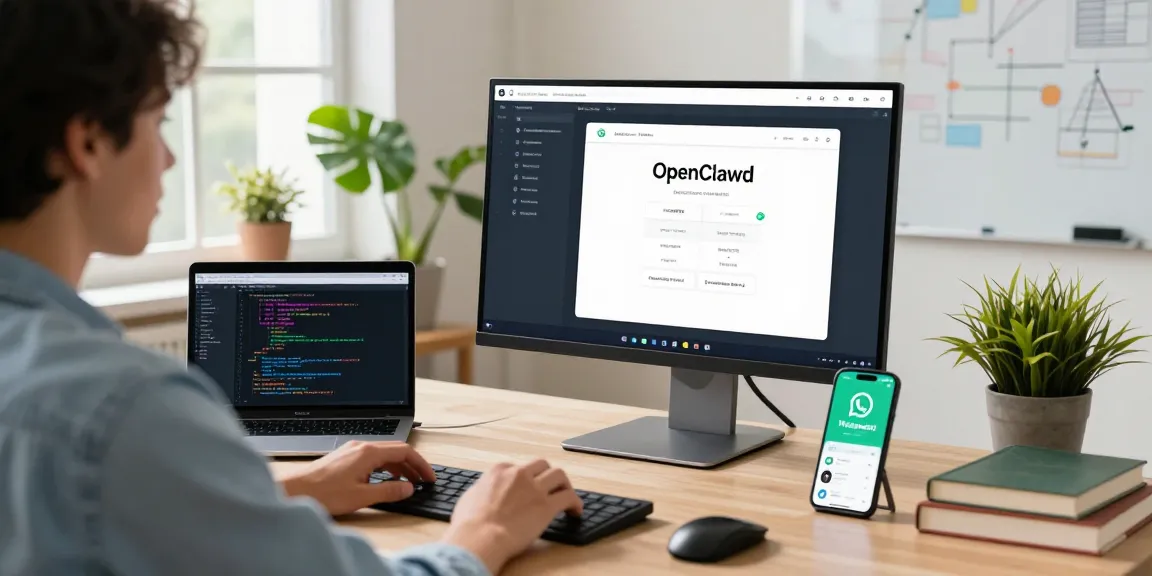
One of the standout features of OpenClawd is its robust integration capabilities with popular messaging platforms. Users can set up OpenClawd on services like WhatsApp, Telegram, Discord, and Slack with minimal configuration. This allows for real-time communication and task execution, making it easy to handle everything from project updates to client inquiries without switching between multiple apps.
Integrating OpenClawd with Productivity Tools
Beyond messaging, OpenClawd connects with various productivity tools to streamline workflows. For instance, it can link to calendars, project management systems, and email clients, ensuring all aspects of a user’s schedule and tasks are aligned. Users can automate reminders, generate reports, and even facilitate meeting scheduling directly through their preferred communication tools.
Maximizing Efficiency with Custom Modules
With a modular architecture, OpenClawd allows users to enhance its capabilities through custom modules. These modules can be created or sourced from the community, enabling bespoke automation tailored to individual needs. For example, a data analyst might develop a module for automated report generation, which can be executed by OpenClawd during defined intervals.
User Experiences: Real-World Applications of OpenClawd
The effectiveness of OpenClawd is best illustrated through real-world experiences from its diverse user base.
Case Study: How OpenClawd Transformed Productivity for a Small Business
A small marketing agency adopted OpenClawd to manage client communications and project timelines. By integrating OpenClawd with their client management system and communication platforms, they were able to reduce response times by 40% and enhance project visibility for both team members and clients. The automation of routine tasks freed up significant time, allowing staff to focus on creative strategies and client relationship building.
User Testimonials: Feedback from OpenClawd Implementations
Countless users have reported transformative changes in their workflows since using OpenClawd. From software engineers automating deployment processes to freelancers managing client interactions, feedback indicates a consistent theme: OpenClawd enhances productivity while maintaining an intuitive user experience. Users appreciate the ease of setup and the breadth of integrations available, which seamlessly blend into their daily operations.
The Role of Community in Enhancing OpenClawd Functionality
The strength of OpenClawd lies not only in its features but also in its community. As an open-source project, users actively contribute by developing modules, offering support, and sharing innovative use cases, which continually evolves the platform. This collaborative spirit ensures that OpenClawd stays relevant and responsive to user needs and technological trends.
Future Trends: The Evolution of Personal AI Assistants
As we look to the future, the role of AI assistants like OpenClawd is set to expand dramatically with advancements in technology and changes in user expectations.
What to Expect from OpenClawd in 2026 and Beyond
The ongoing development of OpenClawd is likely to see enhancements in machine learning capabilities, allowing for even deeper personalization and smarter task management. Users can anticipate features such as proactive suggestions based on usage patterns and the ability to anticipate user needs before requests are made, further streamlining interactions.
Emerging Technologies Complementing OpenClawd
Emerging technologies, including advancements in natural language processing and seamless integration with IoT devices, are expected to enhance the functionalities of OpenClawd. This convergence will create a more holistic personal assistant experience, allowing users to control smart home devices, integrate health tracking, and manage day-to-day tasks through voice and text commands across multiple platforms.
Best Practices for Keeping Your OpenClawd Secure
While OpenClawd emphasizes user data privacy, maintaining security is crucial. Users are encouraged to follow best practices such as:
- Regularly update software and modules to mitigate security vulnerabilities.
- Utilize strong, unique passwords for API integrations and service connections.
- Limit access to sensitive data by configuring permissions appropriately.
FAQs about OpenClawd
What are the key features of OpenClawd?
Key features include adaptive learning, multi-platform messaging support, modular plugins, and self-hosting options.
How can I install OpenClawd on my device?
Installation can be done via package managers like Homebrew or npm, followed by configuration commands to set up service connections.
Is OpenClawd suitable for business use?
Absolutely! Many businesses leverage OpenClawd to automate routine tasks and improve communication efficiency, resulting in better resource management.
What platforms does OpenClawd integrate with?
OpenClawd integrates with over 100 platforms, including WhatsApp, Telegram, Discord, Slack, and various productivity tools, facilitating a cohesive workflow.
How does OpenClawd ensure data privacy?
OpenClawd operates on personal hardware or secure cloud environments, giving users full control over their data and ensuring that sensitive information is not shared with external services without permission.