Understanding Design Best Practices at https://bestdesignersintheworld.com/
Design is not merely about aesthetics; it’s about solving problems, enhancing experiences, and communicating messages effectively. Understanding best practices in design can elevate your work to new heights. At https://bestdesignersintheworld.com/, we delve deep into essential aspects that every designer should master.
The Importance of Research in Design
Research plays a pivotal role in shaping effective design solutions. By understanding market trends, user preferences, and competitor strategies, designers can create work that resonates with their audience. Start by conducting thorough market analysis, utilizing resources such as surveys, interviews, and user personas. This investigative approach provides insights that inform aesthetic choices, copywriting, and interface layout.
Utilizing Feedback for Design Improvement
Feedback is invaluable in the design process. It offers fresh perspectives and highlights aspects that may not resonate with the target audience. To effectively utilize feedback, initiate sessions with stakeholders and potential users. User testing can reveal usability issues or design flaws that need adjustment. Consider implementing iterative design cycles where you continually refine your work based on feedback until the final product aligns with user expectations.
Tools to Enhance the Design Process
Selecting the right tools can streamline your design process and improve collaboration. From project management software like Trello or Asana to design tools such as Adobe XD, Sketch, or Figma, leveraging technology is crucial. These tools not only assist in creating prototypes and wireframes but also facilitate effective communication among team members. Keeping abreast of evolving technologies ensures you remain competitive in a rapidly changing design landscape.
Effective Collaboration Techniques for Designers
Collaboration is a cornerstone of successful design projects. Understanding how to work effectively with others enhances creativity and fosters innovation.
The Role of Team Dynamics in Design
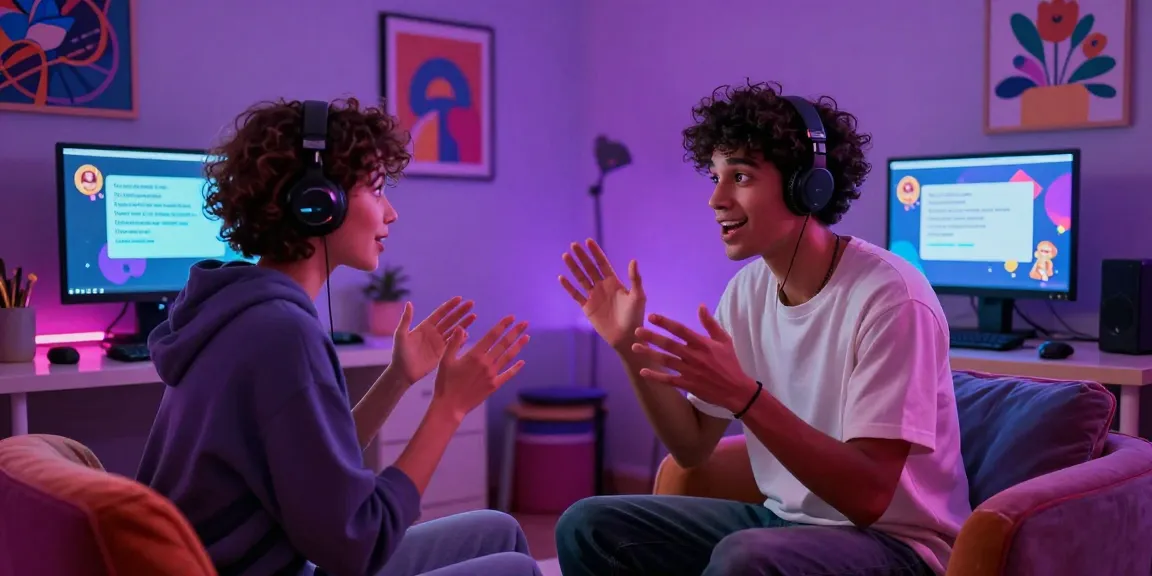
Team dynamics significantly influence the design process. A cohesive team fosters an environment where ideas can flourish. Hold regular brainstorming sessions to encourage open dialogue and explore diverse viewpoints. Recognizing individual strengths and weaknesses also allows team members to take on roles that play to their skills, maximizing productivity and creative output.
Building a Creative Workspace
Creating a stimulating work environment can enhance creativity. Ensure your workspace is organized, filled with inspiring visuals, and equipped with the right technology. Incorporating elements that reflect your design ethos can motivate the team. Additionally, consider enabling flexible workspaces where team members can choose settings that best suit their work styles, be it collaborative or focused.
Communicating Ideas Clearly
Effective communication is essential in conveying your design vision. Use visual aids and storytelling techniques when presenting ideas. Regular updates and check-ins help keep all team members aligned and engaged with the project progression. Embrace constructive critiques as a constructive pathway toward refining designs and ensuring every team member feels valued.
Incorporating User Experience in Design Decisions
Design is fundamentally about the user experience (UX). Incorporating user experience insights into your design decisions ensures the end product meets real-world needs.
Understanding User Needs and Behaviors
Engaging with users directly through interviews, surveys, or usability testing is foundational for understanding their needs. Creating user personas and customer journey maps can help visualize the user’s experience from discovery through product use. Tailoring designs to meet user expectations enhances satisfaction and fosters loyalty over time.
Prototyping and Testing Designs
Prototyping allows designers to visualize concepts before full-scale production. Tools like InVision and Axure enable the creation of interactive prototypes that simulate the user experience. Testing these prototypes with real users is crucial in identifying pain points and measuring usability. This iterative process leads to improved designs and reduces the risk of costly missteps down the road.
Analytics in Design: Measuring Success
Data-driven design decisions can significantly enhance your work’s effectiveness. Utilize analytics tools to track user interactions, conversion rates, and engagement metrics. Regularly analyzing this data allows for informed refinements based on real user behavior, ensuring your designs not only look great but perform excellently as well.
The Future of Design: Trends and Innovations
The design landscape is continuously evolving, influenced by technological advancements and shifting consumer expectations. Staying ahead requires awareness of emerging trends and innovations.
Adapting to New Technologies
Integrating the latest technologies into design practices can lead to groundbreaking outcomes. Augmented reality (AR), virtual reality (VR), 3D modeling, and artificial intelligence (AI) are transforming how users interact with products. As these technologies develop, designers must be proactive in learning and experimenting with these innovative tools to remain relevant.
Design Sustainability Practices
As environmental consciousness rises, sustainable design practices are increasingly critical. Designers should consider sustainable materials, eco-friendly processes, and long-lasting solutions that minimize environmental impact. Incorporating sustainability into your design ethos not only reflects social responsibility but can also appeal to a growing demographic of eco-conscious consumers.
Integrating AI in Design Workflows
Artificial intelligence is simplifying many aspects of the design process. From automating repetitive tasks to providing insights based on user data, AI can enhance creativity and efficiency. Leveraging AI tools allows designers to focus more on strategic and creative problem-solving instead of mundane tasks. As these technologies evolve, embracing them will be essential for future success.
FAQ Section for Aspiring Designers on https://bestdesignersintheworld.com/
What skills do I need to be a designer?
Essential skills include creativity, proficiency in design software, time management, and collaboration skills. Understanding user experience principles is also vital.
How can I find my design style?
Explore various design mediums, experiment with styles, and assess your preferences through reflection and feedback from peers on your work.
What are the best tools for graphic design?
Popular tools include Adobe Creative Suite, Sketch, Figma, and Canva, each serving different needs for graphic designers and their workflows.
How important is feedback in design?
Feedback is crucial as it uncovers blind spots and enhances the final output. Incorporating diverse perspectives improves the overall design quality.
What trends are shaping the future of design?
Notable trends include sustainable practices, minimalistic designs, and the integration of augmented reality to enrich user experiences in innovative ways.