Understanding the Vaginal Speculum: Importance and Usage
The vaginal speculum is a critical instrument in gynecological examinations, serving as a diagnostic tool that allows healthcare professionals to assess cervical health and perform necessary medical procedures. Understanding its importance, usage, and the ongoing advancements in technology surrounding this instrument is vital for both practitioners and patients. The foundation of effective gynecological care lies in familiarity with devices such as the vaginal speculum, which have evolved significantly over the years.
What is a Vaginal Speculum?
A vaginal speculum is a medical device specifically designed to open the vaginal canal to facilitate access to the cervix and vaginal walls. It is typically constructed from plastic or metal and comes in various sizes and shapes to accommodate different patients’ needs. The device consists of two hinged blades that can be inserted into the vagina and expanded to maintain the opening, allowing for visual inspection and access for procedures such as Pap smears, biopsies, and other examinations.
Historical Context and Evolution of Design
The use of vaginal speculums dates back to ancient civilizations, with early versions documented in the works of Hippocrates and Galen. Historically, these devices were often made from materials such as wood or metal, leading to discomfort and challenges during examinations. In the 19th century, Dr. James Marion Sims introduced the modern speculum design, which refined functionality and comfort. Today’s models incorporate ergonomic designs and softer materials, significantly improving patient experience while maintaining essential functionality.
Indications for Use in Clinical Practice
Vaginal speculums are essential in various clinical practices. They are primarily employed during routine gynecological examinations, such as Pap tests, where cervical cells are sampled to screen for cancer. Additionally, they are used in diagnosing infections, performing intrauterine device (IUD) insertions, and conducting minor surgical procedures. Understanding these applications helps healthcare professionals communicate effectively with their patients about the importance of these examinations for reproductive health.
Current Innovations in Vaginal Speculum Technology
As technology advances, the design and functionality of vaginal speculums continue to evolve. Innovations are focusing on enhancing patient comfort, improving sterilization processes, and integrating smart technology, which collectively enhance the examination experience for both physician and patient.
Materials and Design Improvements
Modern vaginal speculums are often constructed from high-quality, medical-grade plastics that are both lightweight and easy to sterilize. Innovations in design include curved blades that fit the anatomical contours of the vagina, reducing discomfort during insertion. Furthermore, disposable speculums have gained popularity as they eliminate the risk of cross-contamination and allow for faster turnover in clinical settings.
Enhanced Patient Comfort Features
To address patient anxiety and discomfort, manufacturers are implementing features designed to enhance comfort. These include smooth edges, rounded tips, and options for warming the speculum prior to use. Some newer models also offer a self-retaining capability, allowing for a hands-free examination process, which can make patients feel more at ease during their visit.
Smart Technology Integration in Speculums
Emerging technologies are paving the way for smart vaginal speculums equipped with features such as integrated cameras and sensors. These tools can provide real-time imaging and data analytics, enhancing diagnostic accuracy. For instance, a speculum that combines imaging technology can enable remote consultations where specialists review the images, broadening access to expert care and minimizing the need for referral visits.
Best Practices for Healthcare Professionals
Healthcare providers play a critical role in ensuring that examinations using the vaginal speculum are carried out with professionalism and sensitivity. Implementing best practices can significantly improve patient outcomes and help alleviate fears associated with gynecological exams.
Proper Techniques for Speculum Insertion
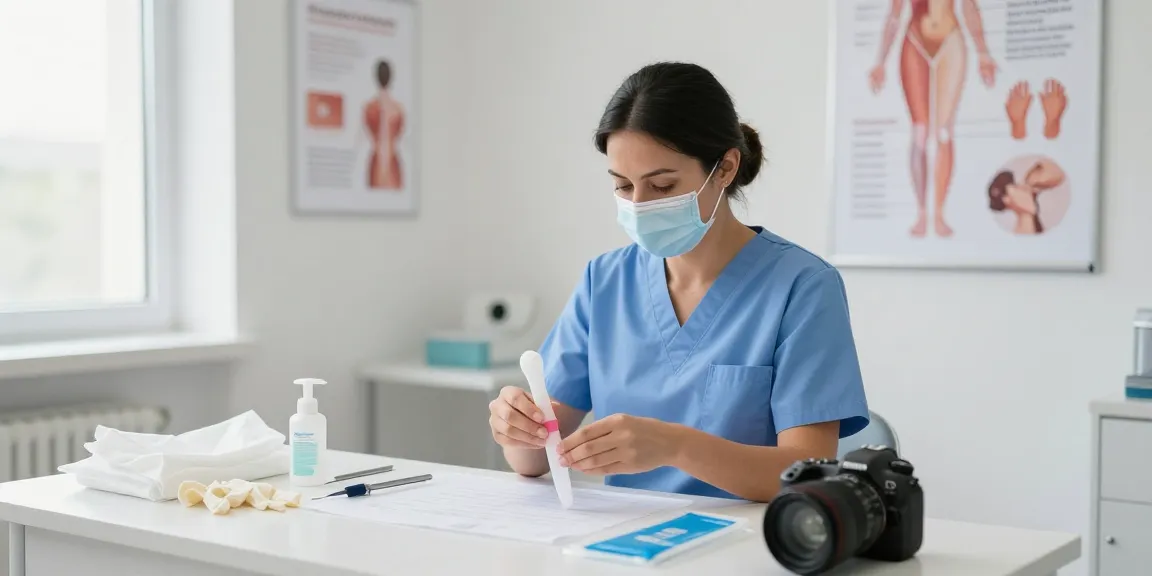
To minimize discomfort during the examination, practitioners should follow proper techniques for vaginal speculum insertion. This includes ensuring that the patient is relaxed, using lubrication to ease insertion, and slowly opening the speculum after placement. Practitioners should also maintain clear communication with patients throughout the process, explaining each step to help reduce anxiety.
Patient Communication and Comfort Strategies
Effective communication is key to a positive patient experience. Practitioners should inform patients about what to expect during the examination, including potential sensations and the purpose of the procedure. Providing reassurance can help alleviate fears and improve cooperation during the examination.
Cleaning and Sterilization Protocols
Adhering to strict cleaning and sterilization protocols is essential to prevent infections. Reusable speculums must be thoroughly cleaned and sterilized according to healthcare facility guidelines, while disposable models should be safely discarded after single-use. Healthcare providers must consistently review and update their protocols to ensure compliance with the latest health regulations.
Challenges and Misconceptions Surrounding Speculum Use
Despite its significant role in gynecological exams, the vaginal speculum often faces misconceptions and challenges that can hinder its effective use. Addressing these issues is crucial for improving patient experiences and outcomes.
Common Patient Fears and Anxiety
Many patients experience anxiety regarding speculum examinations, often stemming from fears of pain or embarrassment. It is important for healthcare providers to acknowledge these feelings and create a supportive environment. Techniques such as guided breathing exercises or having a support person present can help ease patients’ minds.
Handling Difficult Cases and Patient Variability
Healthcare professionals must also be prepared to handle variations in patient anatomy and comfort levels during speculum use. This might involve choosing different sizes or types of speculum for specific patients, or adjusting the angle of insertion to accommodate anatomical differences. Flexibility and adaptability are essential skills in delivering quality care.
Debunking Myths About Vaginal Speculum Procedures
Several myths surround the use of vaginal speculums, including beliefs that the procedure is always painful or that it is only necessary for sexually active individuals. Educating patients about the importance of regular gynecological exams and the advancements in speculum technology can help dispel these misconceptions, encouraging more women to seek out preventive care.
Future Trends and Predictions for 2026
The future of vaginal speculum design and usage is promising, as ongoing innovations and societal shifts are set to shape the landscape of gynecological healthcare. Understanding these upcoming trends can help practitioners stay ahead of the curve.
Emerging Technologies in Gynecological Tools
As technology continues to advance, we can expect the emergence of even more sophisticated gynecological tools. Innovations such as 3D imaging and augmented reality are likely to make their way into examination rooms, offering enhanced diagnostic capabilities and improved patient education through visual aids.
Integration of Telehealth and Remote Assessments
The rise of telehealth is transforming how patients access care, including gynecological services. Future speculum designs may be developed to facilitate remote assessments, allowing patients to receive medical care from the comfort of their homes, thereby expanding access and convenience for women’s health services.
Shifts in Patient Education and Awareness Initiatives
Ongoing efforts to improve patient education and awareness about reproductive health are essential for encouraging proactive engagement with healthcare services. Future initiatives will likely focus on empowering women with knowledge about their bodies, emphasizing the importance of regular examinations and the role of the vaginal speculum in maintaining health.
What are the main types of vaginal speculums?
The main types of vaginal speculums include the Graves speculum, which has a wider blade suitable for a variety of examinations, and the Pederson speculum, known for its narrower design ideal for women with smaller vaginal openings. Each type serves specific clinical needs and can be selected based on the practitioner’s assessment of the patient’s requirements.
How often should vaginal speculums be replaced?
Reusable vaginal speculums should be replaced based on established sterilization protocols and signs of wear or damage. Generally, it’s recommended to inspect for any imperfections after each use, while disposable models should always be used once and discarded to prevent infections.
What can patients expect during a speculum exam?
During a speculum exam, patients can expect a brief but thorough procedure. The healthcare provider will explain the steps involved, perform the examination while ensuring patient comfort, and may collect samples if necessary. Patients should feel empowered to communicate any discomfort or concerns during the exam.
What innovations are expected in gynecological tools?
Future innovations in gynecological tools are expected to focus on enhancing patient comfort and diagnostic accuracy. This includes the development of tools that integrate artificial intelligence for better outcomes and the utilization of advanced materials that improve safety and comfort.
How can practitioners improve patient comfort during exams?
Practitioners can improve patient comfort by employing techniques such as warm speculums, gentle insertion, clear communication, and allowing patients to take breaks if necessary. Creating a welcoming atmosphere can significantly reduce anxiety and enhance the overall experience.