The Advantages of Choosing LVP Floor
Durability and Maintenance
The lvp floor is rapidly gaining popularity due to its robust nature and low maintenance requirements. Unlike hardwood or laminate, LVP boasts resistance to scratching, denting, and wear, making it particularly suitable for both residential and commercial applications. Its multi-layer construction typically includes a wear layer, a design layer, a backing layer, and occasionally, a foam underlayment. This structure provides an impressive defense against the daily rigors of life, ensuring that the flooring remains in excellent condition over time.
Cleaning and maintenance are also simplified with LVP. Regular sweeping or vacuuming, combined with occasional mopping using a recommended cleaner, can keep these floors looking pristine. There’s no need for waxing or extensive maintenance routines, thus freeing up valuable time for homeowners and businesses alike.
Cost-Effectiveness
When comparing flooring options, LVP stands out for its affordability without compromising on quality. The cost of installation and materials is typically lower than high-end hardwood or tile flooring. Additionally, while the upfront cost might be lower, LVP often provides long-term savings due to its durability and minimal maintenance requirements.
Property owners should also consider the potential for energy savings. Many LVP products are designed with insulation properties that can help regulate temperature, leading to lower heating and cooling bills over time. Thus, investing in lvp floor can yield long-lasting financial benefits while enhancing aesthetic appeal.
Design Versatility
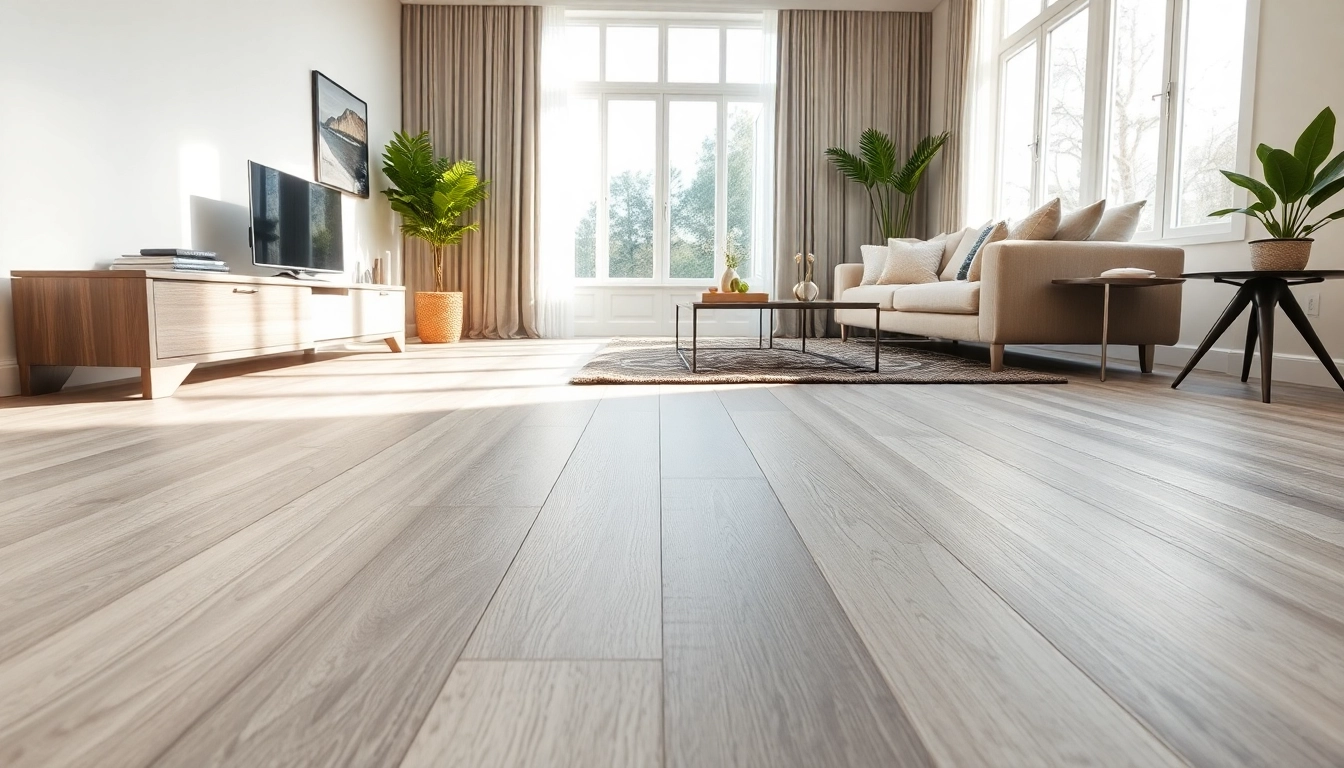
The design versatility of LVP flooring is another notable advantage. With the technological advances in printing and manufacturing, LVP can mimic the look of natural materials such as hardwood, stone, or ceramic tile. From rustic to modern styles, LVP offers a plethora of choices in textures, colors, and finishes, ensuring that homeowners and designers can achieve their desired aesthetic without compromising on performance.
This versatility extends beyond residential applications; many commercial spaces, including retail and office environments, are utilizing LVP flooring for both function and style. As design trends evolve, the adaptability of LVP will continue to satisfy diverse consumer demands.
Understanding LVP Floor Types
Rigid vs. Flexible Options
When selecting LVP flooring, an essential consideration is understanding the differences between rigid and flexible options. Rigid core LVP typically features a strong, dense core that can withstand heavy foot traffic and uneven subflooring. It is ideal for high-traffic areas or spaces where additional support is required.
On the other hand, flexible LVP offers a more traditional feel underfoot, and its pliability makes it easier to install in various spaces. It often comes in glue-down applications and is better suited for static environments. An informed choice between these two types will hinge on specific needs—considering factors such as the subfloor condition, planned usage, and overall aesthetic desired.
Texture and Finish Variations
The surface finish of LVP flooring can come in multiple textures that impact both the visual appeal and functionality of the floor. It can be smooth, embossed, or even textured to mimic other materials authentically. Each of these options interacts with light differently and can create unique moods in a space.
For instance, an embossed finish may offer a more rustic or hardwood-like appearance, while a smoother finish can lend itself to modern, sleek interiors. Choosing the appropriate texture and finish is crucial for enhancing the design of any space and achieving the desired overall ambiance.
Eco-Friendly Alternatives
As sustainability becomes increasingly significant in consumer choices, manufacturers have started offering eco-friendly LVP options. These products are created from recycled materials and are often fully recyclable themselves. Additionally, many eco-friendly variants use low-VOC adhesives and finishes, which contribute to better indoor air quality.
Opting for LVP flooring that prioritizes environmental considerations means homeowners can contribute to energy conservation and reduced emissions. For eco-conscious consumers, this presents an ideal solution that combines style with responsibility.
Preparing for LVP Floor Installation
Assessing Your Space
Before embarking on an installation project, assessing the space is a critical first step. This involves evaluating the condition of the existing floor, ensuring it’s clean and free of defects, and making necessary repairs. Identifying areas that might require leveling is vital, as LVP can be unforgiving on uneven surfaces.
Additionally, it’s important to determine the layout and design you want. This can involve visualizing how different colors and patterns will affect the overall ambiance of the room. A well-planned installation will not only save time but also ensure that the final result meets expectations.
Gathering Necessary Tools
An effective installation requires a set of specific tools to ensure precision and efficiency. Essential tools include a measuring tape, utility knife, straightedge, and a tapping block for installation without damage. In addition, having a level and a flooring installation roller can help secure the flooring effectively.
Preparing these tools before starting ensures a smoother installation process, minimizing disruptions and ensuring quality work. It also helps avoid last-minute trips to the hardware store, keeping the project on track.
Choosing the Right Underlayment
The underlayment is a crucial component of the LVP flooring system and can directly impact the final result. A good underlayment contributes to comfort underfoot, sound insulation, and moisture protection. Depending on the subfloor type, different underlayments offer varied benefits, such as sound dampening or vapor barriers.
For instance, for concrete subfloors, a moisture barrier underlayment is recommended to prevent water seepage, which could compromise the integrity of the LVP. Selecting the right underlayment based on specific conditions enhances both performance and comfort.
Step-by-Step LVP Floor Installation Process
Measuring and Cutting Panels
The installation process begins with accurate measurement and cutting of LVP panels. This step is crucial for ensuring that the panels fit snugly and seamlessly within the designated space. Start by measuring the area where the flooring will be laid, noting lengths and widths to understand how many planks or tiles will be needed.
When cutting LVP panels, use a utility knife for straight cuts. For intricate sections or corners, a jigsaw may be required. Ensuring precision in cutting reduces waste and enhances the aesthetic finish of the overall installation.
Securing the Flooring
Once the panels are cut, it’s time to secure them in place. Depending on the type of LVP selected, installation can either involve clicking the pieces together or using adhesive. For click-lock systems, ensure the panels are aligned properly, as they require slight tapping to connect securely.
With glue-down options, evenly apply adhesive to both the subfloor and the panel before positioning. Follow the manufacturer’s guidelines closely to guarantee a successful application. It’s wise to start from the center of the room and work outward, which can help in maintaining alignment and balance throughout the installation.
Finishing Touches and Maintenance Tips
The final stage of installation involves adding transitions and trim to cover expansion gaps and provide a polished look. Note that it’s critical to leave a small expansion gap between the flooring and the wall to account for temperature fluctuations that may cause the floor to expand or contract.
For ongoing maintenance, regular cleaning using a soft broom or vacuum, combined with occasional damp mopping, can keep LVP looking pristine. Avoid harsh chemicals or abrasive cleaners, as they may damage the surface. Regular upkeep will maximize the lifespan and visual appeal of your LVP floor.
FAQs About LVP Floor
How long does LVP floor last?
With proper maintenance, LVP flooring can last between 15 to 25 years, making it a durable choice in any home or business environment.
Can I install LVP floor over existing flooring?
Yes, LVP can be installed over most existing floors, including tile, vinyl, and hardwood, as long as they are level and stable.
Is LVP floor water-resistant?
Most LVP products are designed to be water-resistant, making them an excellent choice for areas like kitchens and bathrooms where spills are common.
What is the average cost for LVP floor?
The average cost of LVP flooring ranges from $2 to $7 per square foot, depending on the quality, brand, and style of the product chosen.
How do I clean and maintain my LVP floor?
Regular sweeping and occasional damp mopping with a gentle cleaner are recommended to maintain the appearance and durability of LVP flooring.