Understanding Cape Cod Homes
Cape Cod homes are an iconic symbol of American residential architecture, renowned for their charm and historical significance. Nestled along the eastern seaboard, particularly in Massachusetts, these houses are characterized by their steep roofs, dormer windows, and straightforward, symmetrical structures. The blend of simplicity and functionality has made cape cod homes not only visually appealing but also practical for various climates and lifestyles.
Historical Significance of Cape Cod Homes
Dating back to the early 17th century, Cape Cod homes were built by early settlers who needed sturdy structures to withstand harsh New England winters. Their designs were influenced by English colonial architecture, particularly the half-timbered styles of cottages. Over the years, these homes have become a symbol of American heritage, representing early colonial life and their adaptation to the rugged maritime environment. The historical narrative embedded within their structures gives Cape Cod homes a distinct character that modern designs often aspire to capture.
Distinctive Features of Cape Cod Homes
The design of Cape Cod homes is marked by several distinctive features. These include:
- Steep Roofs: High-pitched roofs designed to shed heavy snow and rain.
- Dormer Windows: Windows protruding from the roofline, enhancing natural light and ventilation in the upper levels.
- Symmetrical Facades: A balanced layout that embodies freshness and simplicity.
- Wooden Materials: Use of clapboard or shingles often painted in muted colors that blend seamlessly with natural surroundings.
These features are not just aesthetic; they were also functional, enabling these homes to thrive in their coastal environments and stand the test of time.
Modern Adaptations in Cape Cod Homes
While traditional Cape Cod architecture remains beloved, contemporary iterations have adapted to modern needs, integrating more open floor plans, energy-efficient technologies, and sustainable design practices. Homeowners now often choose to blend the classic aesthetics with modern amenities, such as large windows for ample light, open kitchens, and multifunctional spaces. These adaptations bolster the homes’ livability while retaining the core charm associated with cape cod homes.
Planning Your Cape Cod Home Expansion
Expanding a Cape Cod home involves careful planning to ensure the expansion remains harmonious with the existing structure. Here’s how you can approach the process effectively.
Assessing Your Current Space
Before planning an expansion, assess your current space thoroughly. Consider the following:
- Needs Assessment: What are your space needs? Is it an additional bedroom, a workspace, or a larger living area?
- Integration: How can the expansion be integrated naturally into the existing layout? Will it complement the architectural lines?
- Resources: Evaluate your budget and the feasibility of the project.
By taking stock of your needs and the existing layout, you can create a more functional and aesthetically pleasing expansion.
Design Considerations for Expansions
When designing your Cape Cod home expansion, these elements should be prioritized:
- Aesthetic Consistency: Ensure that the materials, colors, and architectural styles match or complement your existing home.
- Functionality: Consider how the new space will function within the home. Open concepts may be appealing, but it’s essential to maintain areas of privacy as well.
- Outdoor Connectivity: Incorporate outdoor spaces like decks or porches to enhance the overall living experience.
Legal and Environmental Regulations
Before commencing any construction, be aware of any legal and environmental regulations that may affect your plans:
- Building Permits: Ensure to acquire the necessary permits for construction.
- Zoning Laws: Understand local zoning regulations that might influence expansion options.
- Environmental Considerations: Assess the potential environmental impact and compliance with regulations focused on natural preservation.
Securing this information before starting can save you time, prevent project delays, and ensure compliance with laws.
Designing an Attached Garage for Cape Cod Homes
An attached garage is a highly desirable addition to many Cape Cod homes. It contributes to both functionality and curb appeal if designed thoughtfully.
Benefits of an Attached Garage
Adding an attached garage to your home can provide numerous benefits:
- Convenience: Direct access to your home, particularly in extreme weather.
- Increased Property Value: Homes with attached garages may command higher resale prices.
- Extra Storage: An attached garage can be used for storage, keeping the home organized.
Designing for Aesthetic Appeal
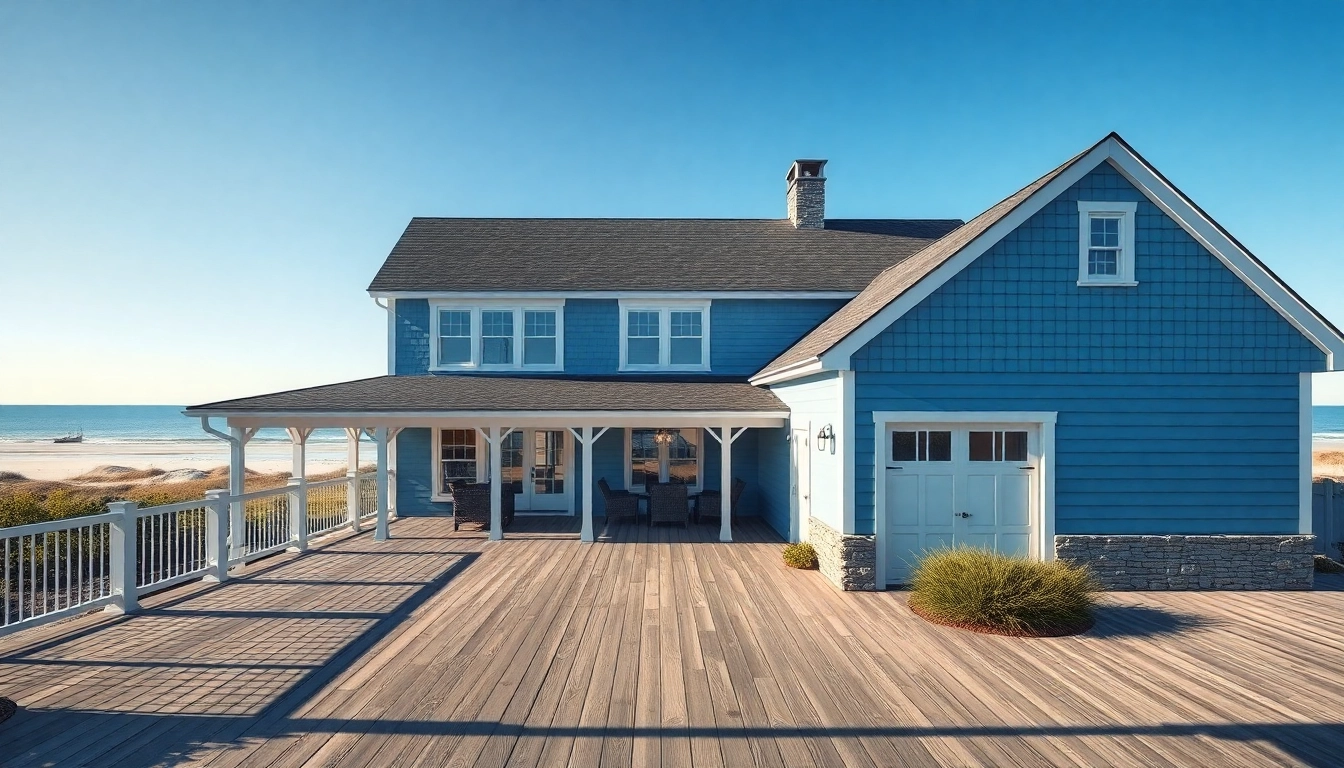
Your garage’s design should harmonize with the existing architecture of your home. Consider matching roof lines, siding materials, and color schemes. A well-designed garage can look like a natural extension of your home rather than an add-on. Adding windows that mirror those in your home can enhance this effect.
Functional Features to Include
Ensure that your attached garage is functional by considering these features:
- Workspaces: If you’re handy, consider including workbenches or tool storage.
- Parking Layout: Optimize space for parking and accessibility, allowing for easy entry and exit.
- Power Sources: Include outlets for charging tools or electric vehicles.
Sustainable Practices for Cape Cod Homes
As homeownership evolves, so does the commitment to sustainability. Implementing eco-friendly practices in Cape Cod homes can significantly enhance energy efficiency and reduce environmental impact.
Utilizing Eco-Friendly Materials
Choosing sustainable materials can improve the environmental profile of your home renovation or expansion project. Options might include:
- Reclaimed Wood: Use salvaged wood for floors or fixtures to reduce the need for new materials.
- Low-VOC Paints: Select paints and finishes with low volatile organic compounds to improve indoor air quality.
- Natural Insulation: Consider using materials such as cellulose or sheep’s wool for better insulation properties.
Implementing Energy-Efficient Solutions
Modern technologies can substantially enhance the energy efficiency of Cape Cod homes. Examples include:
- Energy-Efficient Windows: Install double-glazed or Low-E windows to reduce heat loss.
- Solar Panels: Consider adding solar panels to harness renewable energy sources.
- Smart Home Devices: Use programmable thermostats to optimize heating and cooling based on usage patterns.
Landscaping with Sustainability in Mind
Landscaping can play a crucial role in overall sustainability efforts. Implementing native plants can:
- Reduce Water Consumption: Native plants typically require less water than non-native species.
- Support Local Wildlife: Native landscaping can provide habitats for local fauna and pollinators.
- Minimize Maintenance Needs: Native plants are often more resilient and require less maintenance.
FAQs about Cape Cod Homes
What defines a Cape Cod home?
A Cape Cod home is characterized by its steep roof, dormer windows, and symmetrical facade, typically constructed using wood siding and painted in muted colors.
Are Cape Cod homes suitable for year-round living?
Yes, many Cape Cod homes are designed for year-round living. Their solid construction and adaptability make them comfortable in various climates.
How can I modernize my Cape Cod home?
Modernizing a Cape Cod home can involve expanding the layout, incorporating open floor plans, and adding energy-efficient appliances while maintaining historical elements.
What are common materials used in Cape Cod homes?
Common materials include wood siding (often clapboard or shingles), brick, and stone, with interiors featuring hardwood floors and natural finishes.
Can I expand my Cape Cod home without losing its charm?
Yes, it’s possible to expand while preserving charm by matching architectural styles and materials, ensuring continuity between the old and new sections.