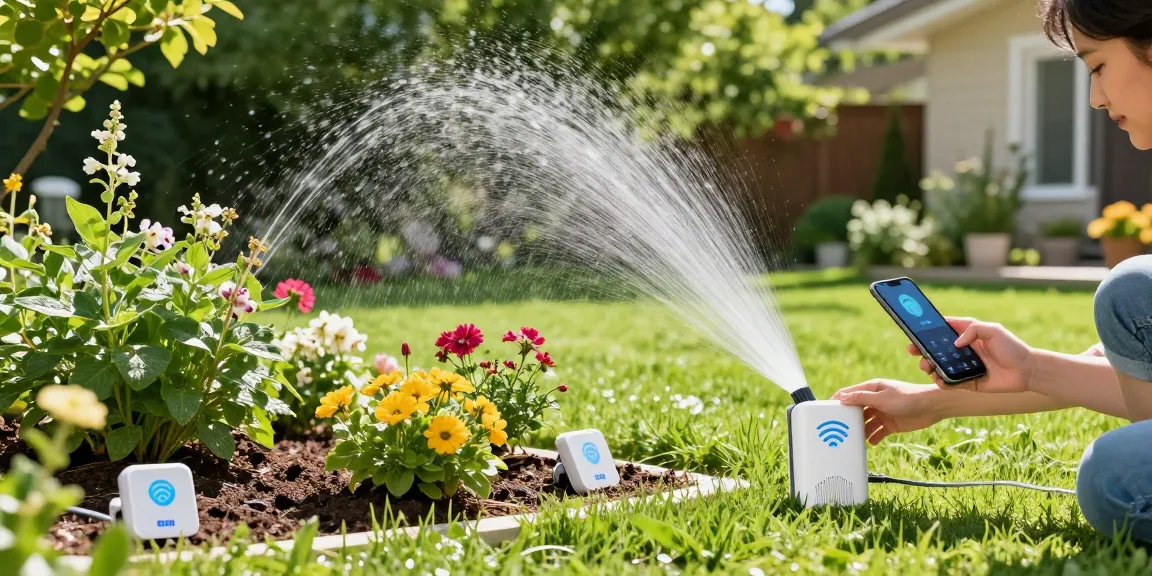
Introduction to Wifi Sprinkler Controllers
The evolution of home gardening has transcended from simple garden care to smart technology that makes gardening both efficient and environmentally friendly. One such advancement is the introduction of the wifi sprinkler controller, which offers unprecedented control over irrigation systems. With smart irrigation systems becoming a vital tool for eco-conscious gardeners, understanding their functionalities and benefits is essential for any modern homeowner looking to optimize water usage while ensuring their plants thrive.
What is a Wifi Sprinkler Controller?
A wifi sprinkler controller is a device that integrates your irrigation system with your home’s Wi-Fi network, allowing you to manage watering schedules remotely. By using a mobile app, users can adapt watering times and frequencies based on weather forecasts, soil moisture levels, and specific plant needs, making it a flexible choice for any garden layout. These devices typically feature smart technology, enabling them to learn from watering preferences and adjust automatically to provide the right amount of water.
Benefits of Smart Irrigation Systems
- Water Conservation: One of the primary advantages of wifi sprinkler controllers is their ability to conserve water efficiently by scheduling watering only when necessary.
- Effortless Management: Users can control their watering systems from anywhere via smartphone applications, eliminating the need for manual timers or physical adjustments.
- Detailed Analytics: Many smart controllers offer detailed analytics on water usage and plant health, empowering gardeners to make informed decisions.
- Environmentally Friendly: By optimizing water resources and reducing waste, these systems contribute to more sustainable gardening practices.
Common Misconceptions about Wifi Sprinkler Controllers
Despite their growing popularity, several misconceptions surround wifi sprinkler controllers. Many believe they are complicated to install or require extensive technical knowledge. However, most modern systems are designed for easy setup with straightforward instructions and user-friendly interfaces. Another common misconception is that they are only beneficial for large gardens, while in reality, they can significantly enhance water efficiency for gardens of any size, including indoor plants.
Setting Up Your Wifi Sprinkler Controller
Step-by-Step Installation Guide
Setting up your wifi sprinkler controller is generally a straightforward process. Here’s a simple step-by-step guide to get you started:
- Unbox and Organize: Remove the controller from its packaging and ensure you have all necessary components, including the sensors, connectors, and any installation accessories.
- Position the Controller: Choose a suitable location near your water source and a power outlet. Ensure it is accessible for maintenance and sensor placement.
- Connect Hoses and Valves: Attach the hoses to the controller. Following the manufacturer’s guidelines will ensure optimal connection without leaks.
- Install Soil Moisture Sensors: If your controller includes soil moisture sensors, place them in the ground near plants. This allows the system to monitor soil conditions accurately.
- Power Up: Once everything is connected, plug in the device and switch it on.
Connecting to Your Home Wifi Network
After initial setup, the next step is to connect your wifi sprinkler controller to your home network. This usually involves:
- Downloading the manufacturer’s mobile app from the App Store or Google Play.
- Creating an account or logging into the app.
- Following the prompts to add your new controller via Wi-Fi settings, ensuring that you enter the correct network credentials.
Make sure the controller is within range of your Wi-Fi signal to ensure seamless connectivity.
Configuring the Mobile App for Optimal Use
Once your controller is connected, configuring the mobile app is essential for maximizing its capabilities. Here’s how to do it effectively:
- Set Watering Schedules: Customize your watering times based on your garden’s needs, taking into account seasonal changes.
- Enable Notifications: Allow the app to send notifications related to water usage, maintenance reminders, and rain alerts.
- Monitor Performance: Regularly check data analytics available within the app to adjust settings based on plant health and soil moisture levels.
Maximizing Water Efficiency with Smart Technology
Understanding Soil Moisture Sensors
Soil moisture sensors are integral components of smart sprinkling systems. They detect moisture levels in the soil and provide feedback to the controller, allowing for real-time adjustments. These sensors help in:
- Determining when to water, avoiding unnecessary irrigation when rain occurs.
- Providing precise moisture level readings, enabling accurate watering schedules.
Scheduling Watering Cycles for Different Seasons
Adjusting your watering schedule according to the season is crucial for efficient water use. In the spring and summer, when evaporation rates are higher, you may need to water more frequently. Conversely, during fall and winter, schedule longer intervals between watering sessions. Most wifi sprinkler controllers allow you to set seasonal programs, making it easier to adapt your watering to changing conditions.
Tracking Water Usage and Reducing Waste
Many modern wifi sprinkler controllers provide detailed reports on water consumption. By tracking this data, you can:
- Identify trends in your watering habits and adjust them for efficiency.
- Reduce excess usage, which directly translates to lower water bills.
Moreover, setting alerts for unexpected spikes in water usage can help address potential leaks or malfunctions promptly.
Real-World Applications and Success Stories
Case Study: Transforming a Residential Garden
Consider a typical residential garden with various plants requiring different watering needs. A homeowner implemented a wifi sprinkler controller with soil moisture sensors and saw significant improvements. Previously, they manually watered their garden, leading to overwatering in some areas and under-watering in others. By adopting smart technology, the homeowner achieved a lush garden with reduced water consumption by 30% over the season.
Interview with an Eco-Conscious Gardener
In an interview with an avid gardener who transitioned to smart irrigation, the individual highlighted how their wifi sprinkler controller gave them unprecedented control over their watering habits. They shared that the system has not only saved them time but also reduced their environmental footprint. Their takeaway? “Investing in smart technology is a game-changer for anyone serious about sustainable gardening,” they stated.
Before and After: Visualizing the Impact of Smart Irrigation
Many users have documented the visual transformation of their gardens post-implementation of smart irrigation systems. Before using wifi sprinkler controllers, gardens often had patchy growth and stressed plants. Afterward, vibrant colors and healthy foliage illustrated the system’s effectiveness in providing consistent watering tailored to specific plant needs.
Future Trends in Smart Irrigation Technology
Emerging Features of Wifi Sprinkler Controllers
The future of wifi sprinkler controllers promises exciting innovations, including:
- Enhanced AI Capabilities: As AI technology improves, controllers will learn more about environmental conditions and autonomously adjust settings.
- Integration with Home Automation Systems: Expect seamless interaction with other smart home devices, enabling efficient home management.
The Role of AI in Home Gardening Solutions
Artificial Intelligence is set to revolutionize smart irrigation. AI-driven systems can analyze weather patterns and soil conditions in real-time, providing actionable insights for optimal watering schedules. As gardening enthusiasts engage more with technology, AI will play a crucial role in making home gardening smarter, healthier, and more sustainable.
Predictions for Sustainable Gardening Practices by 2026
By 2026, we expect to see a significant increase in smart irrigation systems adoption among homeowners. With advancements in technology, users will benefit from even more intuitive systems that require minimal input to function effectively while maximizing water conservation. Education and awareness of sustainable practices will further empower gardeners to embrace technology and contribute to a greener planet.
What are the advantages of using a wifi sprinkler controller?
Wifi sprinkler controllers provide several advantages, including efficient water usage, remote management through apps, and enhanced plant health monitoring through data analytics.
How do I set up my wifi sprinkler controller effectively?
Begin by following the manufacturer’s installation instructions, connect to your home Wi-Fi, and customize your watering schedules through the mobile app for optimal performance.
Can a wifi sprinkler controller really save water?
Yes, by providing targeted watering based on real-time data, wifi sprinkler controllers significantly reduce water waste and promote healthier plant growth.
What features should I look for in a wifi sprinkler controller?
Look for features such as soil moisture sensors, weather forecasts integration, mobile app compatibility, and customizable schedules to ensure you choose the best system for your needs.
Are there any maintenance tips for wifi sprinkler controllers?
Regularly check for software updates, clean the sensors, and inspect for leaks in the system to maintain optimal performance and extend the life of your controller.