Understanding TradingView: A Comprehensive Overview
In the fast-evolving world of trading, platforms that provide comprehensive tools for market analysis are essential for both novice and seasoned traders. TradingView stands out as a leading platform offering a unique blend of powerful charting capabilities, real-time data, and multi-device integration. This article delves into what TradingView is, its key features, and how it can enhance your trading experience.
What is TradingView?
TradingView is a cloud-based platform designed for traders and investors that provides access to a wide range of market data and analytical tools. Launched in 2011, it has rapidly gained popularity due to its user-friendly interface and the extensive capabilities it offers in terms of charting, social networking, and real-time market data from multiple global exchanges. Users can analyze various asset classes, including stocks, currencies, cryptocurrencies, and commodities all on a single platform.
Key Features and Functionalities
TradingView is celebrated for a multitude of features tailored for various trading styles and needs. Some of the key functionalities include:
- Advanced Charting Tools: Users can create detailed and customizable charts with diverse technical indicators and overlays.
- Real-Time Market Data: Access to live data feeds allows traders to make prompt decisions based on actual market conditions.
- Social Networking: Traders can follow each other, share ideas, and learn from a vibrant community of trading enthusiasts.
- Custom Alerts: TradingView allows users to set up alerts on price movements or technical indicators, allowing for timely responses without the need for constant monitoring.
Who Can Benefit from TradingView?
TradingView caters to a diverse group of users, including day traders, swing traders, and long-term investors. Its robust tools are designed to suit both experienced traders who require advanced technical analysis and beginners who need intuitive features and educational resources. Whether you are engaging in Forex trading, stocks, or cryptocurrency, TradingView provides the necessary analytics to make informed decisions.
Effective Chart Analysis Techniques Using TradingView
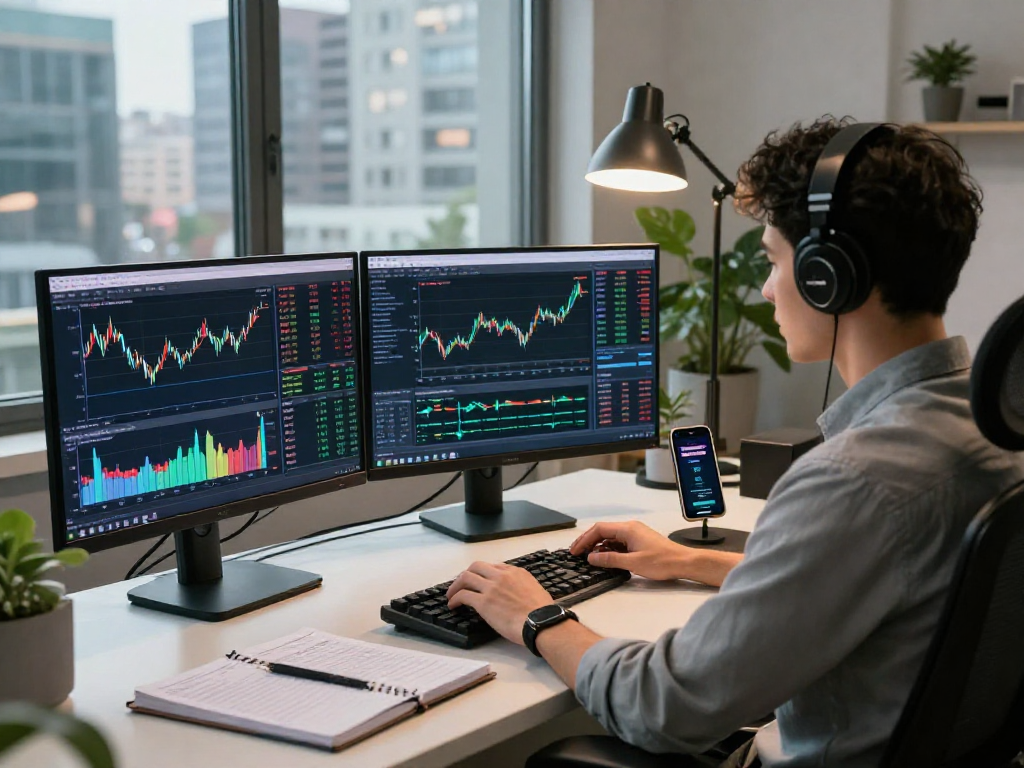
Mastering chart analysis is crucial for successful trading, and TradingView excels in this aspect. By leveraging its advanced charting tools, traders can gain deep insights into market trends and price movements.
Multi-Timeframe Analysis in TradingView
Multi-timeframe analysis allows traders to view charts across different time scales, helping them identify potential trading opportunities. For instance, a trader may analyze daily charts to identify long-term trends, while simultaneously using hourly or minute charts to fine-tune entry and exit points. TradingView makes this seamless with its easy-to-use interface, allowing users to switch between timeframes effortlessly.
Utilizing Indicators and Overlays
TradingView supports a wide range of indicators and overlays, enabling traders to enhance their analysis. Commonly used indicators such as moving averages, RSI, and MACD can be easily integrated into charts, allowing traders to spot trends and potential reversals. The platform also offers the option to create custom indicators using the Pine Script programming language, adding a layer of personalization to chart analytics.
Creating Custom Scripts for Enhanced Analysis
Pine Script is TradingView's built-in scripting language that allows users to create custom technical indicators and strategies. By learning Pine Script, traders can develop unique tools tailored to their specific trading strategies, enabling them to identify patterns that are not available through standard indicators. The community share library provides many ready-to-use scripts, making it easy for users to implement advanced techniques without coding expertise.
Mastering Alerts: How to Stay Ahead With TradingView
Alerts are one of the standout features of TradingView, allowing traders to stay informed without constantly monitoring the markets. These notifications can be customized to suit individual trading strategies, significantly enhancing the trading workflow.
Setting Price Alerts for Key Levels
One of the most essential trading strategies involves setting price alerts. By configuring alerts for significant price levels, traders can be notified when assets reach certain thresholds. This can be critical for executing timely trades, whether triggering buy orders at support levels or signaling to sell at resistance levels.
Understanding Condition-Based Alerts
Condition-based alerts are even more sophisticated. Traders can set alerts based not just on price but on complex conditions involving multiple indicators. For example, an alert could be set to notify the trader when a moving average crossover occurs in conjunction with a certain price point, maximizing the potential for successful trades.
Integrating Alerts Across Multiple Devices
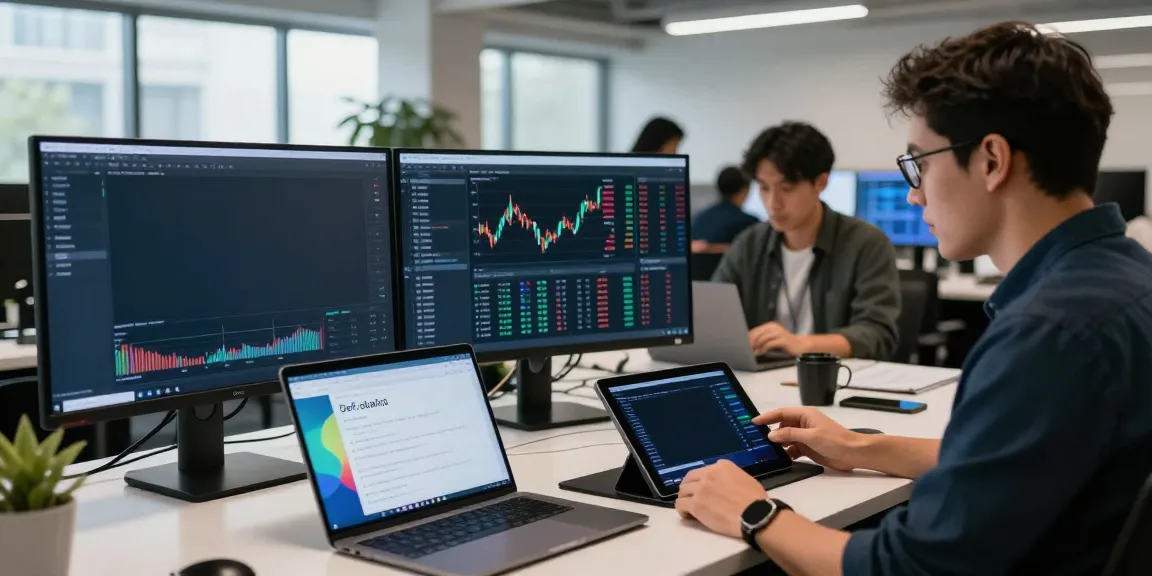
Thanks to TradingView’s cross-platform capabilities, alerts can be integrated across all devices - desktop, mobile, and web. This ensures that users are always updated, regardless of their location, allowing for seamless trading experiences and swift decision-making.
Streamlining Your Trading Workflow With TradingView
Efficiency is key in trading, and TradingView offers numerous features designed to streamline your entire trading workflow, from analysis to execution.
Using the Market Screener Effectively
The market screener is a powerful tool available on TradingView that allows traders to filter assets based on specific criteria like market capitalization, price changes, and performance metrics. This helps traders quickly identify stocks or assets that meet their trading strategies, making the research process significantly more efficient.
Cross-Device Synchronization Best Practices
With TradingView's seamless synchronization features, users can maintain their analysis and trading strategies across multiple devices. Setting up alerts, saving charts, and organizing watchlists can all be done in real-time, ensuring that traders can pick up right where they left off, irrespective of their device.
Managing Your Watchlist with TradingView
The watchlist feature within TradingView is indispensable for traders seeking to track the performance of selected assets. Users can easily manage their watchlist to include stocks, currencies, and crypto-assets of interest, enabling quick access to relevant market information and facilitating timely trades.
Future Trends in Trading: What to Expect with TradingView in 2026
As we progress further into the trading landscape of 2026, several trends are emerging that will shape the future of platforms like TradingView. Understanding these trends can equip traders with the foresight needed to stay ahead of the curve.
Evolving Trading Technologies and Tools
Advancements in technology continue to transform trading, with tools becoming more sophisticated and user-friendly. TradingView is likely to incorporate more AI-driven analytics and machine learning capabilities, providing traders with advanced insights and predictive analytics that will enhance decision-making processes.
The Role of AI in TradingView’s Future
AI and machine learning will play a significant role in shaping trading strategies. TradingView is expected to introduce features that utilize AI for predictive analytics, helping traders identify potential trends and reversals before they happen. This will empower traders to make data-driven decisions with a heightened level of confidence.
Preparing for Market Changes and Challenges
The financial markets are inherently volatile, and trading strategies must be adaptable. TradingView's tools will evolve to include risk management features that help traders navigate turbulent market conditions. This may involve enhanced alert systems that trigger during market volatility, suggesting quick adjustments to trading strategies.
What is the Impact of Market Volatility on Trading Strategies?
Market volatility can significantly impact trading strategies, and platforms like TradingView will need to equip users with the tools to react quickly. As volatility increases, TradingView may introduce more dynamic charting options and alerts focused on market shifts, allowing traders to adapt strategies in real-time.
How to Continuously Improve Your Trading Skills?
Continuous learning and adaptation are crucial for long-term trading success. TradingView offers resources for traders to learn from each other and improve their skills. Engaging with the TradingView community through forums and following experienced traders can provide valuable insights that contribute to ongoing development and mastery of trading techniques.