Understanding the Basics of Mini Split 12000 BTU Systems
A mini split 12000 BTU system is an innovative heating and cooling solution that has gained immense popularity for residential and commercial use. Unlike traditional HVAC systems, mini splits are known for their efficiency, flexibility, and quiet operation. This article will delve into the mechanics of these systems, their key features, and the benefits they offer to homeowners and businesses alike. When exploring options, mini split 12000 btu systems provide comprehensive insights that can guide you in making an informed decision about your climate control needs.
What is a Mini Split System?
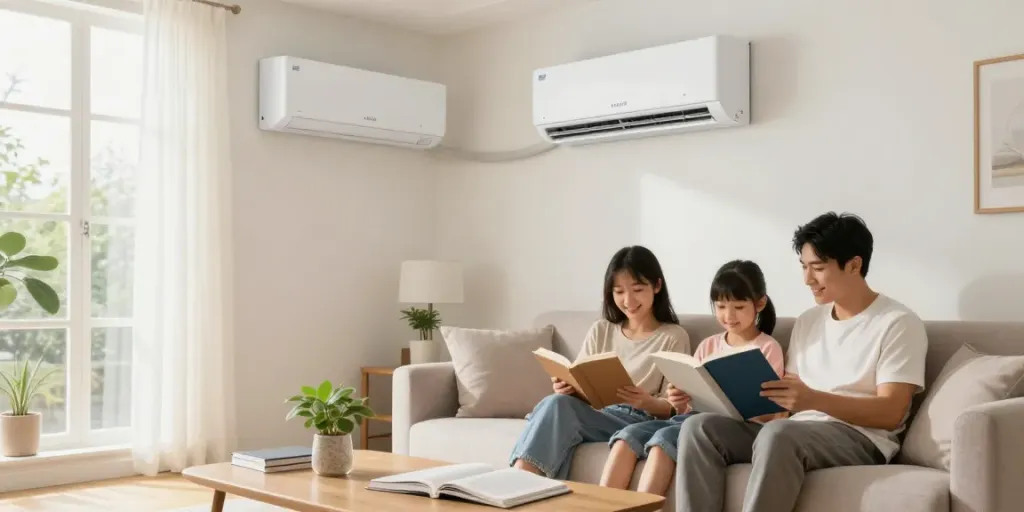
A mini split system, also known as a ductless heating and cooling system, consists of two main components: an indoor air-handling unit and an outdoor compressor unit. This design allows for easy installation without the need for ductwork, making it an ideal option for retrofitting existing spaces or adding temperature control to new constructions. Mini splits can operate in various modes, including heating, cooling, and dehumidifying, allowing homeowners to customize comfort levels throughout the year.
How Mini Split 12000 BTU Works
The operation of a mini split 12000 BTU unit is straightforward yet highly efficient. The system works by circulating refrigerant between the indoor and outdoor units. In cooling mode, the indoor unit absorbs heat from the room air and transfers it outside, while in heating mode, it extracts heat from the air outside and delivers it indoors. This process not only makes mini splits energy-efficient but also helps maintain consistent temperatures across different zones within a building.
Key Features to Look For in 2026
- Energy Efficiency Ratings: Look for high SEER (Seasonal Energy Efficiency Ratio) and HSPF (Heating Season Performance Factor) ratings, which indicate lower operational costs.
- Noise Levels: With advancements in technology, many mini splits operate at noise levels comparable to a whisper, enhancing your comfort without disturbing your peace.
- Smart Technology Integration: Newer models come equipped with Wi-Fi connectivity, allowing users to control their systems remotely through smartphones or smart home networks.
- Multi-Zone Capabilities: Some mini split systems can support multiple indoor units, providing tailored climate control for various rooms or zones.
Benefits of Choosing a Mini Split 12000 BTU for Your Home
Energy Efficiency and Cost Savings
One of the most significant benefits of installing a mini split 12000 BTU system is its energy efficiency. Compared to traditional HVAC units, these systems can reduce energy consumption by up to 30%. The inverter technology used in mini splits adjusts the compressor's speed to meet the desired temperature, minimizing energy waste and lowering utility bills.
Quiet Operation Benefits
Noise is often a concern with air conditioning systems, especially in residential settings. Mini splits are designed to operate quietly, with many models generating noise levels as low as 19 decibels. This makes them an excellent choice for bedrooms, home offices, or any space where silence is valued.
Versatile Installation Options
Mini splits offer unparalleled flexibility in installation. They can be mounted on walls, ceilings, or even floor-mounted units. This adaptability makes them suitable for various settings, from compact apartments to large homes and commercial spaces. The lack of ductwork also means that installation can be completed in less time and with less disruption than traditional systems.
Common Challenges When Installing a Mini Split 12000 BTU
Choosing the Right Location for Installation
Proper placement of the indoor and outdoor units is crucial for optimal performance. It's essential to avoid locations that hinder airflow or expose the units to direct sunlight or extreme weather conditions. Consulting with a professional installer can help ensure your mini split system is set up for maximum efficiency.
Electrical Requirements and Load Considerations
Installing a mini split requires specific electrical considerations. A dedicated power supply is often necessary, along with a correctly sized breaker to handle the unit's load. Homeowners should consult a licensed electrician to ensure compliance with local codes and safe operation.
Maintenance Misconceptions and Solutions
Many homeowners mistakenly believe that mini split systems require little to no maintenance. While they are generally easier to maintain than traditional HVAC systems, routine checks are vital. Regular filter cleaning and inspections of the outdoor unit can extend the system's lifespan and ensure it operates efficiently.
Best Practices for Maintaining Your Mini Split 12000 BTU Unit
Regular Cleaning and Maintenance Tips
To keep your mini split running at peak performance, schedule routine maintenance checks. Cleaning the air filters at least once a month, clearing debris from the outdoor unit, and ensuring that the condensate drain is clear will help maintain efficiency and prolong the life of the system.
When to Call Professionals for Repairs
If you notice irregular noises, inconsistent temperatures, or an increase in energy bills, it may be time to call in a professional. Early detection of issues can save you from more costly repairs down the line. Regular annual service from a certified technician can also catch potential problems before they escalate.
Seasonal Preparation Checklists
As seasons change, it’s crucial to prepare your mini split for the upcoming weather. In spring, check for any blockages in the outdoor unit and clean or replace filters. Before winter, ensure that the outdoor unit is protected from snow and ice, which can inhibit performance and damage components.
Future Trends in Mini Split Technology for 2026 and Beyond
Emerging Energy Efficiency Standards
The push for greater energy efficiency will continue to shape the development of mini splits. Manufacturers are likely to introduce systems that exceed current efficiency standards, minimizing energy consumption while maximizing performance.
Smart Technology Integration in Mini Splits
The integration of smart technology into mini split systems is set to expand. Features like programmable settings, remote access, and system diagnostics will become standard, allowing users to optimize climate control from anywhere.
Sustainable Refrigerants and Environmental Impact
As environmental concerns grow, the HVAC industry is shifting towards more sustainable refrigerants. Future mini split systems will likely utilize refrigerants with lower global warming potential while maintaining performance standards.
How many square feet will a 12000 BTU mini split run?
A mini split 12000 BTU unit is typically suitable for cooling or heating spaces ranging from 450 to 750 square feet, depending on various factors such as insulation, ceiling height, and climate. It’s essential to evaluate these aspects to determine the appropriate capacity for your specific space.
What are the disadvantages of a 12000 BTU mini split?
While mini split systems offer many benefits, there are some disadvantages to consider. Initial installation costs can be higher than traditional units, especially if multiple zones are required. Additionally, if not correctly sized or installed, they may lead to inefficiencies or inadequate cooling/heating in certain areas of a home.
How much does a fully installed 12,000 BTU mini split cost?
The cost of a fully installed 12000 BTU mini split system can vary widely, ranging from approximately $2,800 to $4,800. Factors influencing the price include brand, installation complexity, and any additional features such as smart technology.
What size breaker do I need for a 12,000 BTU mini split?
A 12000 BTU mini split typically requires a 15 to 20-amp breaker, depending on the unit’s specifications. It’s crucial to consult with a qualified electrician to ensure that your home’s electrical system can safely accommodate the mini split’s power requirements.