Understanding Wood-Boring Insects and Their Impact
Wood-boring insects present a significant threat to the integrity of wooden structures, both in residential and industrial settings. These pests, which include woodworms, powderpost beetles, and longhorn beetles, can cause extensive damage if left untreated. With growing concerns over chemical treatments and their adverse effects on health and the environment, innovative solutions like the SHASHEL® microwave technology offer a promising alternative.
What Are Wood-Boring Insects?
Wood-boring insects are a diverse group of pests that infest timber and wooden materials. They lay their eggs in cracks and crevices, and upon hatching, the larvae tunnel through the wood, feeding on it as they grow. Common species include:
- Woodworms: Larvae of various beetles that damage the wood as they feed.
- Powderpost beetles: These insects leave fine powder as they exit the wood.
- Longhorn beetles: Recognized by their long antennae, they can cause severe damage.
How Woodworms Affect Wooden Structures
Woodworms and other wood-boring insects can compromise the structural integrity of wooden beams, furniture, and even timber framing in homes. The tunneling action of larvae weakens the wood, leading to potential collapse or damage that necessitates extensive repairs. Over time, this can also result in costly replacements and restoration efforts.
Identifying Signs of Infestation in Wood
Early detection of wood-boring insect infestations is crucial for effective treatment. Look for these signs:
- Small exit holes: This indicates adult insects leaving the wood.
- Frass: Fine powdery droppings can be found near infested areas.
- Visible tunnels: Inspect the wood for signs of tunneling beneath the surface.
SHASHEL® Technology: A Revolutionary Approach
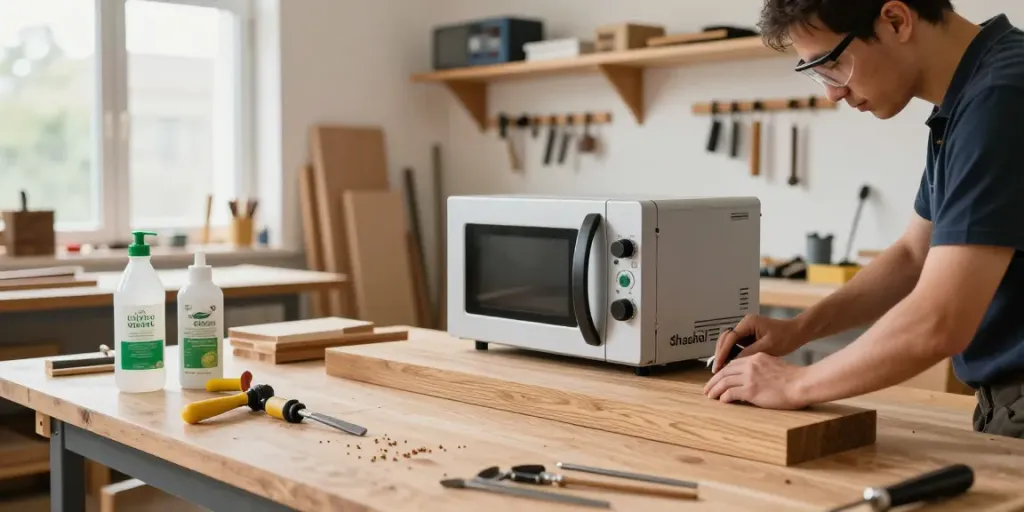
The SHASHEL® approach to pest management is a game changer in the fight against wood-boring insects. By utilizing microwave technology, it effectively targets and eliminates pests without the harmful chemicals traditionally used in pest control.
How SHASHEL® Microwave Devices Work
SHASHEL® devices emit microwaves that penetrate wooden materials, heating and subsequently exterminating pests at each life stage, including eggs, larvae, and adults. This method is not only effective but also preserves the quality of the wood, making it an ideal solution for restoration projects.
Benefits of Using SHASHEL® Over Traditional Methods
Choosing SHASHEL® offers numerous advantages compared to conventional pest control methods:
- Chemical-Free: Safe for humans and pets, reducing health risks associated with chemical exposure.
- Rapid Treatment: Infestations can be resolved in just minutes, saving time and resources.
- Deep Penetration: Microwaves reach deep into the wood, ensuring comprehensive eradication of pests.
- Environmentally Friendly: Minimal impact on the environment makes it a sustainable choice.
Safety and Environmental Considerations with SHASHEL®
SHASHEL® takes safety seriously. Their devices are designed with user-friendly features and built-in safety mechanisms to prevent accidental exposure to microwaves. Moreover, because no harmful chemicals are utilized, there is no risk of soil or water contamination, making it a responsible choice for eco-conscious consumers.
Step-by-Step Guide to Using SHASHEL® Equipment
To maximize the effectiveness of the SHASHEL® technology, it's important to follow specific guidelines for setup and operation.
Preparing Your Workspace for SHASHEL® Use
Before using the SHASHEL® microwave device, prepare your workspace by ensuring that:
- The area is clear of obstacles to provide ample room for operation.
- All wooden items that need treatment are accessible.
- Personal protective equipment is on hand, such as gloves and goggles, even though the process is chemical-free.
Operating SHASHEL® Devices Effectively
Follow the operating instructions specific to your SHASHEL® model. Typically, this involves:
- Setting the appropriate power level based on the wood type and infestation severity.
- Placing the wood inside the treatment chamber carefully.
- Initiating the treatment and monitoring the process as per the guidelines.
Post-Treatment Inspection and Follow-Up
After treatment, it is essential to check the treated wood for any signs of remaining pest activity. Regular inspections post-treatment will help ensure that your space remains pest-free. If necessary, reapply the SHASHEL® treatment as directed.
Real-World Applications and Case Studies
SHASHEL® technology is already proving effective in various settings, from residential homes to large industrial applications.
Successful Wood Preservation with SHASHEL®
Many customers have reported significant success in preserving antique furniture and valuable wooden structures using SHASHEL® technology. The eco-friendly approach allows for the restoration of these items without compromising their structural integrity.
Comparative Analysis of Results: SHASHEL® vs. Chemical Methods
Comparative studies indicate that SHASHEL® not only matches but often exceeds the efficacy of chemical treatments. In trials, properties treated with SHASHEL® exhibited lower re-infestation rates and healthier wood conditions post-treatment.
Testimonials from Satisfied Customers
Customers have expressed satisfaction with SHASHEL®, praising its ease of use and effective results. Positive feedback highlights the relief of knowing that treatments are both safe and efficient, protecting their investments in wooden structures and furniture.
Future Trends in Pest Control and Wood Treatment
The landscape of pest control and wood treatment is evolving rapidly, with technology leading the charge towards more sustainable practices.
Innovations in Woodworm Treatment by 2026
By 2026, we can expect advancements in pest control technology to integrate even more efficient methods like robotics and artificial intelligence to improve the effectiveness of treatments and monitoring.
Emerging Technologies in Pest Control
Emerging technologies are set to revolutionize pest control further. Innovations such as thermal imaging for better detection and drones for monitoring infestations could become commonplace.
SHASHEL®’s Role in Sustainable Wood Treatment
SHASHEL® aims to be at the forefront of sustainable wood treatment solutions, emphasizing the importance of eco-friendly alternatives in a world increasingly aware of environmental issues. Their commitment to innovation positions them as leaders in this field.
What Are the Long-Term Benefits of Using SHASHEL®?
Investing in SHASHEL® technology not only addresses current infestations but also contributes to the long-term preservation of wooden structures. The ability to treat wood without chemicals ensures that homes remain safe, healthy environments for generations to come.